
Summary:
Netflix offers a selection of documentaries that transcend mere storytelling to deliver profound emotional experiences, reshaping viewers' perspectives on the world. Notable examples include 13th,which explores systemic racism and mass incarceration; My Octopus Teacher, a touching narrative of human connection with nature; and American Factory, which examines cultural and economic tensions in a globalized workforce. These films challenge, confront, and inspire, leaving a lasting impact by revealing the raw truths of human existence and societal structures.
Some documentaries don’t just inform you—they rearrange something inside you. They don’t ask for your attention; they claim it. They sit with you long after the credits fade, echoing in the quiet moments when you’re alone with your thoughts. Netflix has thousands of titles, but only a rare few rise to the level of emotional cinema—the kind of films that don’t simply show the world but expose its fractures, its beauty, its contradictions, and its humanity.
These documentaries don’t rely on spectacle. They rely on truth—raw, unfiltered, and often uncomfortable. They remind you that real life can be more dramatic than fiction, more heartbreaking than tragedy, and more inspiring than any scripted hero’s journey. Not only that, but they remind you that the world is full of people fighting battles you’ll never see, carrying stories you’ll never hear unless someone points a camera at them with intention, empathy, and courage.
The best documentaries on Netflix aren’t just “good watches.” They’re emotional experiences. They challenge you. Not only that, but they confront you. They soften you. They open you. Furthermore, they make you feel the weight of injustice, the tenderness of connection, the complexity of identity, and the quiet resilience of ordinary people living extraordinary lives.
That’s why this guide isn’t a list of “top picks” or “must‑watch titles.” It’s a curated cinematic‑psychology breakdown of the three documentaries on Netflix that hit the hardest emotionally—the ones that stay with you, haunt you, and change the way you see the world.
Quick Overview: The 3 Best Emotional Documentaries on Netflix
| Title | Why It Works Emotionally | Core Themes |
|---|---|---|
| 13th | Explosive emotional clarity through historical truth and systemic injustice. | Race, power, incarceration, identity |
| My Octopus Teacher | A quiet, intimate story about connection, healing, and rediscovering wonder. | Nature, healing, vulnerability, transformation |
| American Factory | A human‑centered look at globalization, labor, and cultural collision. | Work, identity, culture, capitalism |
1. 13th—Why It Works Emotionally
Cinematic Summary
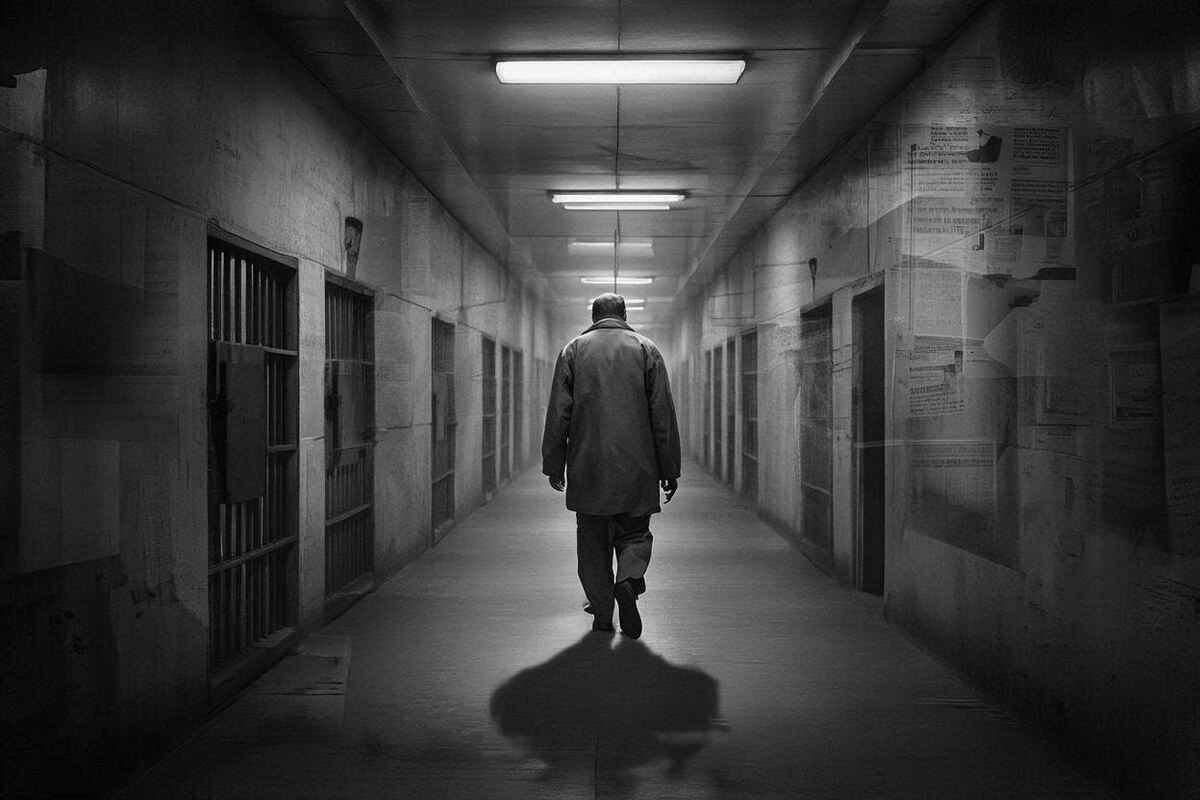
Ava DuVernay’s 13th is not just a documentary—it’s a revelation. It traces the connection between slavery, mass incarceration, and systemic racism with a clarity that feels like emotional impact. Instead of presenting history as something distant, it collapses time, showing how past systems of control mutate into present structures of power.
Backstory of the Main Figures
The emotional backbone of 13th comes from the people whose lives intersect with the criminal justice system: formerly incarcerated individuals, activists, scholars, and families who have lived the consequences of policy and prejudice. They are not presented as statistics or case studies—they are presented as fully human, with histories, hopes, and heartbreak.
Their backstories reveal:
- how a single conviction can reshape an entire life trajectory
- how families carry generational trauma from incarceration
- how activism often begins as survival
Director’s Vision
DuVernay’s vision is both intellectual and emotional. She uses:
- rapid‑fire editing to show the acceleration of systemic injustice over time
- archival footage that forces viewers to confront uncomfortable truths
- Visual text overlays to make data feel immediate and undeniable
- portrait‑style interviews that frame each speaker with dignity and presence
DuVernay’s emotional thesis: history isn’t past—it’s present, and we are living inside its consequences.
Narrative Breakdown
The narrative structure moves from the 13th Amendment to modern mass incarceration, drawing a line that is as clear as it is devastating. Each chapter builds emotional momentum, layering outrage, grief, and clarity until the viewer is left with a single, heavy realization: this isn’t broken accidentally—it was built this way.
Why It Works Emotionally
13th works emotionally because it doesn’t just explain injustice—it makes you feel its weight. You’re not just learning; you’re reckoning. The film invites you into a moral and emotional confrontation with systems that are often invisible to those not directly harmed by them.
2. My Octopus Teacher—Why It Works Emotionally
Cinematic Summary
My Octopus Teacher is the quietest documentary on this list—and arguably the most unexpectedly emotional. It follows filmmaker Craig Foster as he forms a bond with a wild octopus in the South African kelp forest. What begins as curiosity becomes a ritual, then a relationship, then a mirror.
Backstory of the Main Figures
When we meet Craig, he is emotionally burnt out—disconnected from his work, his creativity, and himself. He returns to the ocean not as a filmmaker chasing a story, but as a person searching for something he can’t quite name. The octopus, in all her alien intelligence and vulnerability, becomes a catalyst for his healing.
Her backstory is not told in words but in behavior:
- the way she adapts, camouflages, and survives
- the way she learns to trust, then retreat, then trust again
- the way her life cycle unfolds with both fragility and strength
Director’s Vision
The film’s vision is intimate and meditative. It uses.
- Immersive underwater cinematography to place the viewer inside the kelp forest
- slow, deliberate pacing that mirrors the rhythm of nature rather than the urgency of plot
- a reflective, vulnerable voiceover that feels like reading someone’s private journal
The emotional thesis: healing happens when you learn to see the world—and yourself—clearly again.
Narrative Breakdown
The narrative arc is simple but profound: a man meets an octopus, returns to her daily, witnesses her life, and is changed by it. There is no manufactured drama, no forced conflict. The stakes are emotional, not sensational. The power of the film lies in its willingness to sit with small moments and let them accumulate into something quietly transformative.
Why It Works Emotionally
My Octopus Teacher works emotionally because it taps into something primal: the longing to belong to the world again. It’s not about nature as scenery—it’s about nature as a relationship. By the end, you’re not just watching Craig’s journey; you’re reflecting on your disconnection, your burnout, and your need to feel alive again.

3. American Factory—Why It Works Emotionally
Cinematic Summary
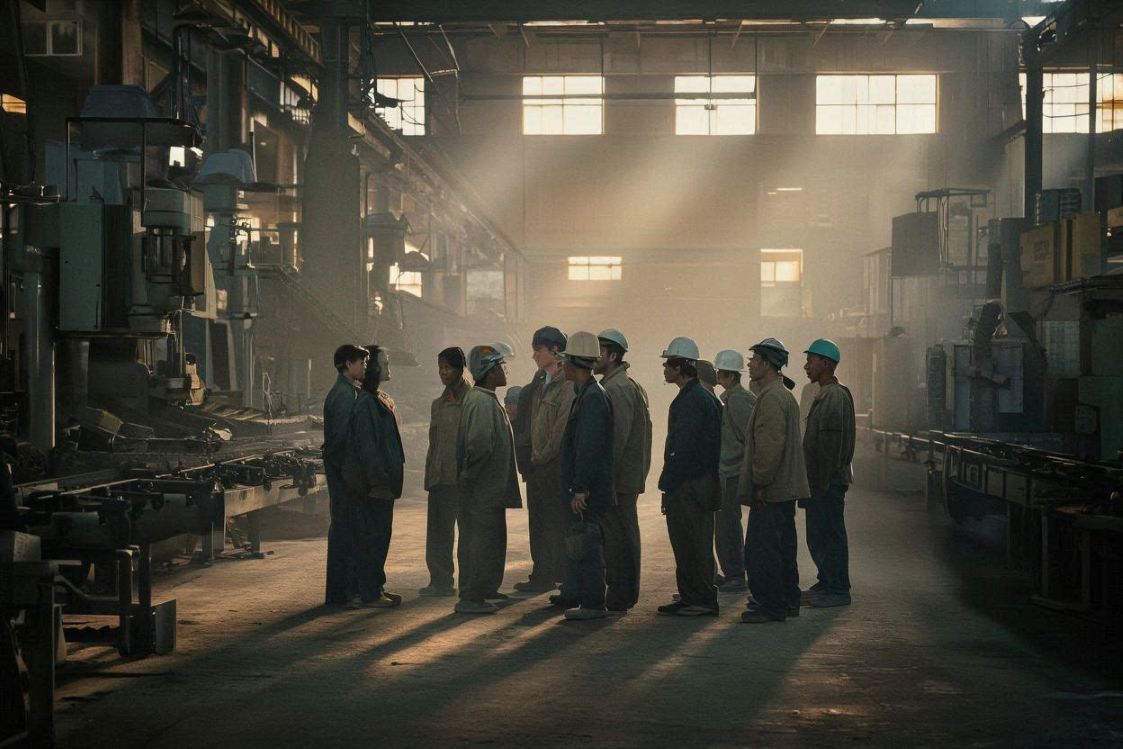
American Factory, produced by Higher Ground, explores what happens when a Chinese company reopens a shuttered GM plant in Ohio. What could have been a simple economic story becomes a deeply human one—a collision of cultures, expectations, and identities.
Backstory of the Main Figures
The emotional core of the film comes from the workers—both American and Chinese—who are trying to navigate a rapidly changing world. For the American workers, the factory represents a second chance after economic devastation. For the Chinese workers, it represents opportunity, duty, and sacrifice far from home.
Their backstories reveal:
- how work becomes a source of identity and pride
- how cultural values shape expectations of loyalty, productivity, and sacrifice
- how both sides are caught in systems much larger than themselves
Director’s Vision
The filmmakers adopt an observational style, allowing moments to unfold without heavy narration or overt judgment. They use:
- parallel storytelling to show both American and Chinese perspectives
- intimate access to boardrooms, break rooms, and homes
- small, human moments—a joke, a glance, a shared meal—to reveal deeper truths
The emotional thesis: work is not just labor—it’s identity, dignity, and sometimes the last thread holding a life together.
Narrative Breakdown
The narrative tracks the initial optimism of the plant’s reopening, the growing tension between management and workers, and the cultural misunderstandings that escalate into conflict. There are no simple heroes or villains—just people trying to survive within economic and cultural systems that don’t always value their humanity.
Why It Works Emotionally
American Factory works emotionally because it refuses to flatten anyone into a stereotype. You feel for the American workers losing their footing in a globalized economy. You feel for the Chinese workers under immense pressure to perform. Furthermore, you feel the weight of a world where efficiency is valued more than empathy—and you’re left asking what gets lost in that trade.
Explore More Cinematic Psychology
FAQs
1. What makes them the “best” documentaries on Netflix?
They aren’t just informative—they’re emotionally resonant, cinematically crafted, and psychologically rich. Each one leaves you with more than facts; it leaves you with a feeling you can’t easily shake.
2. Are these documentaries heavy to watch?
Yes, in different ways. 13th is intense and confronting, My Octopus Teacher is gentle but deeply moving, and American Factory is quietly devastating in its honesty. They’re heavy—but meaningful.
3. Can I watch these with others?
Absolutely. Each documentary sparks powerful conversations about justice, connection, work, and what it means to be human. They’re ideal for group viewing, discussion nights, or shared reflection.
4. Why only three documentaries?
This guide prioritizes depth over volume. Rather than listing dozens of titles, it focuses on three films that deliver the strongest emotional impact and represent different emotional experiences: systemic, intimate, and global.
5. Will this list change over time?
Netflix’s library evolves constantly, and so will any serious emotional cinema guide. Think of this as a living starting point—a foundation for future additions as new documentaries earn their place.
Want More Emotional Film Guides?
If these documentaries moved you, explore more cinematic‑psychology breakdowns in Emotionally Intent Movies and Movie Explanations. You’ll find films that don’t just entertain—they resonate.
Emotional Closing
The best documentaries don’t just tell you what happened—they ask who you are after knowing it. They linger in your mind, shift your perspective, and sometimes quietly alter the way you move through the world. 13th confronts you with the weight of injustice. My Octopus Teacher invites you back into wonder and connection. American Factory asks you to see the human beings inside systems that rarely see them back. Together, they prove that documentary filmmaking isn’t just about capturing reality. It’s about revealing the emotional truth beneath it—and trusting that once you’ve seen it, you can’t go back to who you were before.
Your internal narrative is shaping you more than you realize. Explore how the stories you tell yourself become identity scripts—and how rewriting them can change who you’re becoming. Read more on here, The Narrative Identity Blueprint.
Sources
- “13th (2016) – Film Details & Credits.” IMDb
- “Ava DuVernay on the Urgency of 13th.” Variety
- “13th Review: A Devastating Look at Mass Incarceration.” The Guardian.
- “My Octopus Teacher (2020) – Film Overview.” IMDb
- “The Emotional Power of My Octopus Teacher.” The New York Times.
- “Craig Foster on Filming My Octopus Teacher.” IndieWire
- “American Factory (2019) – Production Notes.” IMDb
- “Inside American Factory: A Tale of Two Cultures.” The Guardian.
- “The Human Story Behind American Factory.” The New York Times.
Grow through the stories that shape you!
If you’re exploring the backstories of movies, why not binge on these cinematic shorts! Plot twists that you never see coming, the “why” in what a story is teaching you, and the art of being seen—then join me on YouTube! I create thoughtful, cinematic lessons designed to help you see your life with more compassion, courage, and intention.
Subscribe to Back Story Movies on YouTube! →
Did I forget to mention, get more creativity in your life and shop the merch at Creativity Is Expression! Visit now @