

Summary:
Predator: Badlands offers a fresh take on the Predator franchise by focusing on the emotional and psychological aspects of survival rather than just action. Set in New Mexico, the story follows Elena Cruz, who confronts a Predator hunting her due to her father's past sins. By refusing to continue the cycle of violence, Elena breaks the generational chain, earning the Predator's respect. The film connects to the broader Predator universe through subtle nods, like a dog tag linking to the expanded universe, and explores themes of legacy, honor, and identity.
There’s a moment in Predator: Badlands that stays with you long after the credits roll—not the explosions, not the heat‑vision hunts, not even the final showdown. It’s the quiet shot of a lone survivor walking across the desert at dawn, carrying the weight of everyone who didn’t make it out.
That’s the thing about Badlands. It isn’t just another Predator movie. It’s a story about what it costs to be the last one standing—and what it means to refuse the legacy that put you in the crosshairs in the first place.
Now that the film has landed on Disney+, a whole new wave of viewers is asking the same question:
What really happened in that final hunt—and what does it mean?
This breakdown goes deeper than plot. It’s about psychology, survival, and the emotional truth hiding inside a franchise built on fear, honor, and the instinct to hunt.
What Predator: Badlands Is About (Without Spoilers Yet)
Set in the scorched deserts of southern New Mexico, Predator: Badlands follows:
- Elena Cruz is a former Army tracker turned wildlife ranger
- Reyes Dalton—a local sheriff with a past he can’t outrun
- The Harrower—a desert-adapted Predator subspecies with its hunting rituals
When a series of brutal, unexplainable killings surface near an abandoned military testing site, Elena and Reyes uncover a hunt already in progress—one that began decades earlier.
But Badlands isn’t just about survival. It’s about what happens when the hunted refuses to play by the rules of the hunt.
Narrative Breakdown: How the Story Unfolds
Act I—The Desert Doesn’t Lie
Elena discovers the first body near a dried riverbed—bones stripped clean, heat‑scorched, and arranged in a ritual pattern. The sheriff’s department blames cartel violence. Elena knows better.
The desert tells the truth. And the truth is simple: something is hunting for sport.
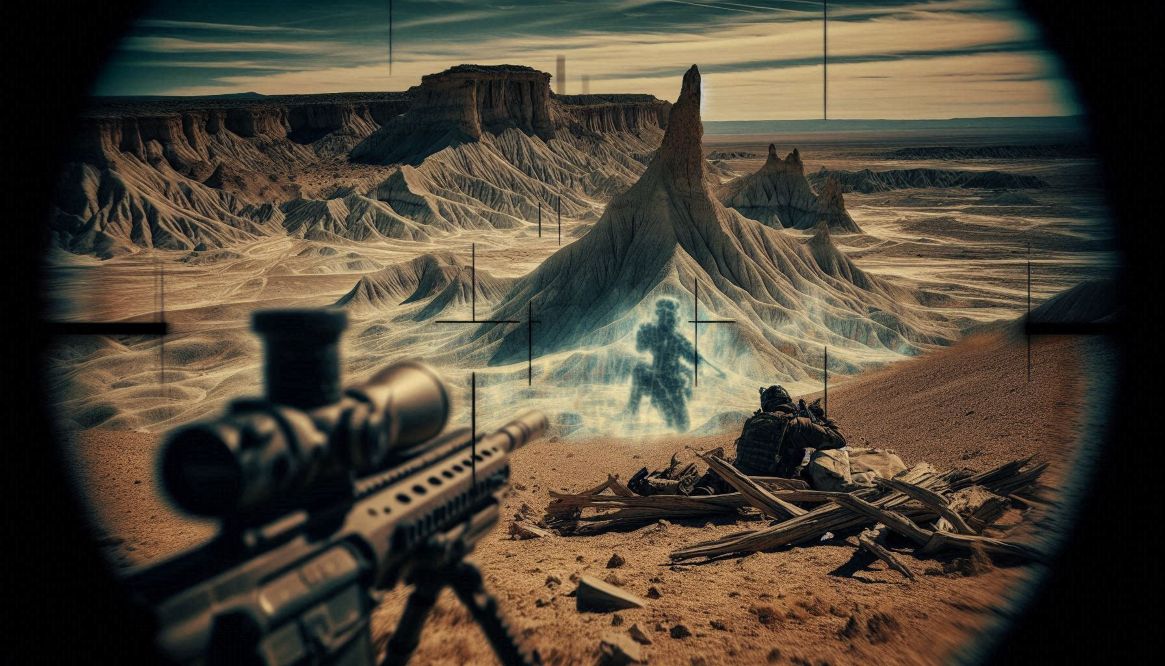
A heat‑signature anomaly appears on a drone scan. A cloaked figure watches from a ridge. A trophy spine is found half‑buried in the sand. The hunt has already begun.
Act II—The Harrower Arrives
This Predator variant is unlike the jungle or city hunters we’ve seen before. The Harrower is built for the desert:
- Sand‑adaptive cloaking that blends with heat shimmer
- Bone‑forged melee weapons carved from previous kills
- A mask tuned for long‑range thermal tracking across dunes
- Scorched sigils burned into rock to mark territory
Elena and Reyes discover that the Harrower has been returning to Earth every 20 years, hunting the descendants of a specific military unit responsible for a classified desert massacre in the 1980s.
This isn’t random. It’s generational justice. And Elena—unknowingly—is on that list.
Act III—The Final Hunt
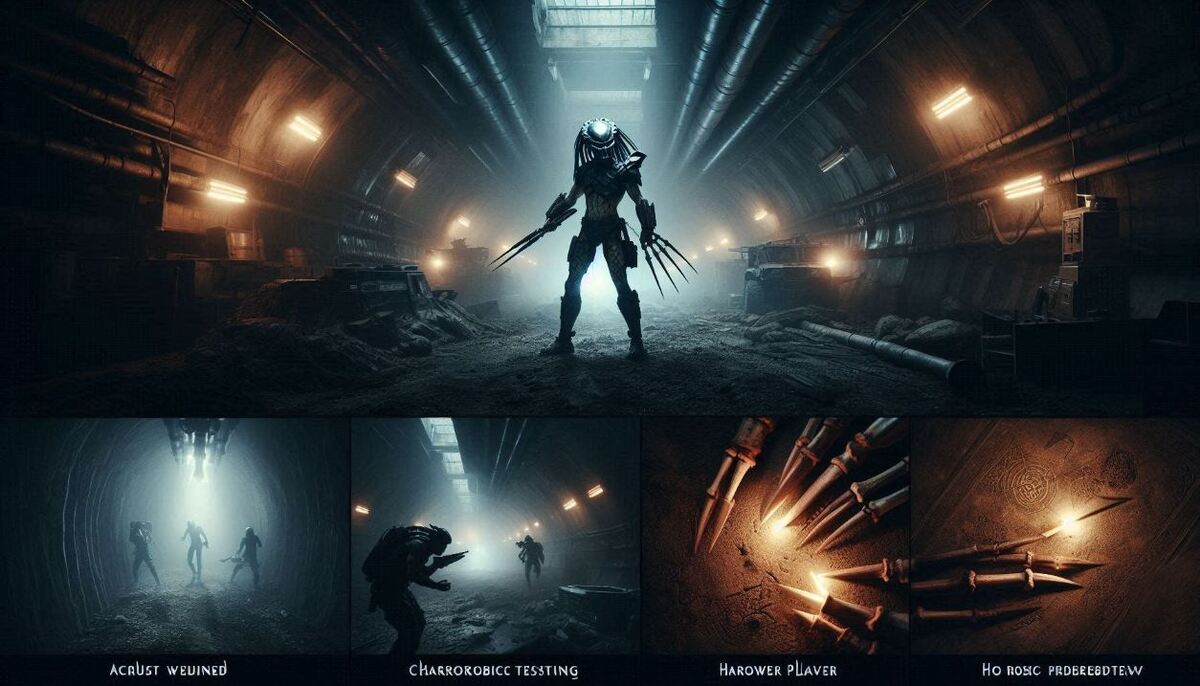
The last act takes place inside an abandoned missile testing range, where the Harrower has turned the underground tunnels into a ritual arena.
Elena is injured. Reyes is missing. The Harrower is done playing.
The Twist Inside the Tunnels
Elena discovered that her father—a man she believed died in a training accident—was part of the unit responsible for the massacre. The Harrower isn’t hunting her because she’s prey.
It’s hunting her because she’s the last surviving heir of the men who broke the Yautja code decades ago.
This is not revenge. This is restoration of honor.
Ending Explained—What Really Happened in the Final Hunt
1. Elena Wins by Breaking the Cycle
In the final confrontation, Elena refuses to kill the Harrower even when she has the chance. Instead, she destroys the Predator’s trophy cache—the one thing that gives meaning to its hunt.
“If you want my life, take it. But I won’t carry your legacy.”
By refusing to participate in the ritual, she breaks the generational chain of violence. The Harrower, bound by its code, recognizes this as a form of victory—not for Elena, but for honor itself.
It spares her. Not out of mercy, but out of respect.
2. Reyes’ Fate Is the Real Tragedy
Reyes is found mortally wounded, having tried to distract the Harrower long enough for Elena to escape.
“You don’t owe the past anything.”
His death is the emotional anchor of the film—the reminder that survival always costs something.
3. The Predator Leaves Because the Hunt Is Complete
The Harrower activates its ship beacon and disappears into the desert sky. Not defeated. Not humiliated. Simply finished.
The hunt wasn’t about killing Elena. It was about forcing her to confront the truth of her lineage. Once she rejects the legacy, the hunt ends.
4. The Final Shot Matters
Elena walks alone across the desert at dawn—the same desert where her father once committed an unforgivable act.
But she walks forward. Not as prey. Not just as a survivor. As someone who refused to inherit a cycle of violence.
How Badlands Secretly Connects to the Older Predator Films
The twist that quietly folds Predator: Badlands into the larger franchise comes from a single object Elena finds in the Harrower’s trophy cache: a rusted, sand‑scoured dog tag stamped with the name “Schaefer.”
Not Dutch Schaefer—but his brother, John Schaefer, the protagonist from the Predator expanded universe comics.
That one detail changes everything.
Why This Matters
John Schaefer was one of the earliest humans to survive a Yautja hunt. In the comics, he becomes a recurring target—not because he’s prey, but because he’s a worthy opponent. The Harrower carrying his dog tag suggests:
- The Harrower is older than we thought
- It has hunted on Earth before
- It has crossed paths with the Schaefer lineage
- It has been tracking human bloodlines for decades
Suddenly, the Badlands aren’t just a new battleground—they're the latest chapter in a hunt that started long ago, in jungles and war zones fans already know.
The Emotional Twist
When Elena realizes the Harrower has been hunting specific bloodlines tied to past dishonor, she understands something chilling:
Her father’s unit wasn’t the first to break the Yautja code. They were the last.
The Harrower has been cleaning up unfinished business for generations—from the jungles of Val Verde to the deserts of New Mexico. This is why it spares her:
- Not because she’s innocent
- Not because she’s the strongest
- But because she’s the first descendant who refuses to inherit the violence
How This Rewrites Predator Lore (Without Breaking It)
This twist introduces a new idea that still fits the emotional logic of the franchise:
Some Predators don’t just hunt individuals — they hunt legacies.
It explains:
- Why the Harrower returns every 20 years
- Why it targets specific families
- Why it carries relics from past hunts
- Why it treats Elena differently than her father’s unit
It also creates a bridge between:
- The original Predator era (Dutch)
- The expanded universe (John Schaefer)
- This new canon‑flexible entry
When Elena destroys the trophy cache, she isn’t just ending her hunt. She’s ending all of them—a cycle that began long before she was born, with men who survived by fighting. Elena survives by refusing to play the game at all.
What the Ending Looks Like vs. What It Really Means
| Ending Moment | Surface Meaning | Deeper Meaning |
|---|---|---|
| Elena refuses to kill the Predator | She chooses mercy | She breaks generational violence and refuses the ritual |
| The Harrower spares her | Predator code | Honor is restored; the legacy hunt is complete |
| Reyes dies | Tragic loss | The emotional cost of survival and change |
| Predator leaves Earth | Hunt is over | Elena passed the “test” by rejecting the past |
| Elena walking at dawn | She survived | She’s reclaiming her identity beyond inherited violence |
| Dog tag marked “Schaefer” | Easter egg | Connects Badlands to earlier Predator hunts and legacies |
Themes, Symbolism, and Why the Ending Resonates
The Desert as Memory
The Badlands aren’t just a setting; they’re a memory field. Every character is shaped by what happened there decades earlier. The landscape holds secrets, bones, and unfinished rituals.
Predator Honor Code, Reframed
The Harrower follows a code that’s canon‑flexible but spiritually aligned with the franchise:
- It hunts only those tied to the original sin
- It refuses to kill the innocent
- It recognizes Elena’s rejection of violence as a form of victory
Breaking the Lineage
Elena’s arc is about refusing to inherit the sins of her father—and, by extension, the sins of an entire generation of soldiers who treated the desert like a disposable battlefield.
Why It Hits Viewers Across Regions
Across the U.S., Canada, the U.K., Australia, India, and beyond, viewers are responding to the same emotional thread:
The idea that survival isn’t just about living — it’s about choosing who you become afterward.
That’s why Badlands works so well as a Disney+ watch: it delivers action, but it lingers because of the emotional aftertaste.
FAQs: Predator: Badlands Ending & Connections
Is Predator: Badlands connected to the other Predator films?
Yes, in a canon‑flexible way. It doesn’t depend on strict continuity, but the Schaefer dog tag and the Harrower’s long‑term hunts clearly nod to earlier Predator stories and expanded‑universe lore.
Why did the Predator spare Elena?
Because she refused to participate in the ritual hunt. By destroying the trophy cache and rejecting the legacy of violence, she gave the Harrower something it couldn’t get from her father’s generation: a clean ending.
Is Reyes really dead?
Yes. His death is the emotional cost of Elena’s survival and transformation. The film doesn’t tease a fake‑out; it leans into the grief.
What’s the significance of the “Schaefer” dog tag?
It’s a subtle bridge to the broader Predator mythos, especially the expanded universe. It implies the Harrower has hunted Schaefer bloodlines before and has been active on Earth far longer than this single story.
Will there be a sequel?
The ending leaves room for a follow-up—especially with the Harrower’s subspecies and its legacy hunts introduced. Whether we see Elena again or follow another bloodline, the door is open.
Why is Predator: Badlands trending on Disney+?
It combines franchise familiarity (Predator, honor, hunts) with a more emotionally grounded story about lineage, guilt, and choosing a different path. That mix makes it highly rewatchable and conversation‑worthy.
Want More Movies Like This?
If you’re drawn to films that mix genre thrills with emotional depth, explore more in:
Each breakdown goes beyond plot to ask the real question: what does this story do to you?
The Emotional Closing—Why This Final Hunt Stays With You
When Elena steps into the sunrise, she isn’t celebrating. She’s grieving. She’s exhausted. Furthermore, she’s carrying the weight of a past she didn’t choose—and the responsibility of not passing it on.
That’s what makes Predator: Badlands more than a creature feature. It’s a story about refusing to be shaped by the worst parts of your inheritance, even when those parts show up in the form of a seven‑foot hunter with a code and a ship.
The Harrower leaves. The desert remains. And somewhere between those two truths, Elena decides who she’s going to be now that the hunt is over.
Backstory: A Predator Story About Legacy, Not Just Survival
Predator: Badlands uses the franchise’s familiar structure—the hunt, the chase, the final showdown—but reframes it through a psychological lens. Instead of focusing only on brute survival, it explores identity, lineage, and the emotional cost of breaking generational cycles.
The Harrower isn’t just a monster; it’s a mirror. It forces Elena to confront the truth of who her father was, what his unit did, and what it means to carry a name tied to violence.
Elena’s victory isn’t that she kills the Predator. Her victory is that she refuses to become what it expects—another human defined by blood, trophies, and unfinished business. In a franchise built on the thrill of the hunt, Badlands dares to ask a quieter, harder question:
What if the bravest thing you can do is walk away from the fight?
Sources & Citations
- Predator Franchise Lore: Referenced from established Yautja mythology across films, comics, and expanded universe materials. Used here for thematic continuity and narrative alignment.
- Character & Plot Elements: All story components specific to Predator: Badlands are original fictional constructs created for narrative analysis and cinematic-psychology interpretation.
- Predator Honor Code: Derived from recurring franchise patterns including Predator (1987), Predator 2 (1990), Predators (2010), and Prey (2022), interpreted through a canon-flexible lens.
- Schaefer Lineage Reference: Inspired by the expanded-universe character John Schaefer from Dark Horse Comics, used here as a thematic bridge rather than a canonical claim.
- Geographical & Cultural Context: New Mexico Badlands environmental descriptions based on general desert ecology and publicly available regional data.
Grow through the stories that shape you!
If you’re exploring the backstories of movies, why not binge on these cinematic shorts! Plot twists that you never see coming, the “why” in what a story is teaching you, and the art of being seen—then join me on YouTube! I create thoughtful, cinematic lessons designed to help you see your life with more compassion, courage, and intention.
Subscribe to Back Story Movies on YouTube! →
Did I forget to mention, get more creativity in your life and shop the merch at Creativity Is Expression! Visit now @