

Summary:
Wealth hoarding in films often symbolizes deeper fears rather than mere greed, reflecting characters' anxieties about vulnerability, status, scarcity, or power. These fears manifest through four archetypes: the Fortress Builder, Status Addict, Scarcity Survivor, and Power Collector. Each uses wealth as a shield against emotional wounds, with cinema highlighting the emotional costs of such accumulation.
Wealth hoarding in film is never just about money. It’s about fear—fear of losing status, fear of returning to nothing, fear of being seen without the armor that wealth provides. Cinema exposes this fear with brutal clarity: a billionaire pacing through an empty mansion, a patriarch clutching a will like a weapon, a self-made mogul who can’t stop counting what he already owns. These characters aren’t greedy—they’re terrified. And that terror becomes the engine of the story. We watch because we recognize the psychology underneath it: when money becomes identity, losing it feels like death.
Explore more cinematic psychology:
- Character Psychology
- Emotionally Intent Movies
- Narrative Craft
- Movies That Make You Feel Something
- Original Stories & Emotional Worlds
- Movies With a Vibe
- World Cinema
The Four Archetypes of Wealth Hoarding in Film
Films across genres—from prestige dramas to thrillers to satirical comedies—use wealth hoarding as a psychological mirror. These characters fall into four core archetypes, each shaped by a different emotional wound.
The Fortress Builder
These characters hoard wealth to protect themselves from emotional vulnerability. Their money becomes a fortress, a shield against intimacy, loss, or exposure.
Backstory of the Characters
In Citizen Kane, Charles Foster Kane grows up ripped from his parents and raised by a bank. His adult life becomes a desperate attempt to fill that emotional void with objects, estates, and influence.
Director’s Scope
Orson Welles frames Kane’s wealth as a mausoleum—grand, echoing, and empty. Every room is a metaphor for emotional distance.
“Kane’s wealth is not abundance—it’s insulation.”
Narrative Breakdown
Kane’s hoarding escalates as his relationships deteriorate. The more he loses emotionally, the more he accumulates materially. His downfall is not caused by greed but by the belief that money can replace connection.
The Status Addict
These characters hoard wealth to maintain social dominance. Their identity is fused with image, luxury, and public perception.
Backstory of the Characters
In The Wolf of Wall Street, Jordan Belfort’s childhood is marked by a fear of being ordinary. His adult life becomes a performance of excess—yachts, drugs, mansions, and money thrown like confetti.
Director’s Scope
Martin Scorsese uses kinetic editing, saturated color, and chaotic pacing to show how status addiction feels from the inside: euphoric, manic, and bottomless.
“Status addicts don’t hoard money—they hoard validation.”
Narrative Breakdown
Belfort’s hoarding is not about security. It’s about spectacle. His downfall comes when the performance becomes unsustainable, and the illusion collapses.
In The Wolf of Wall Street, wealth isn’t just money—it’s a costume, a performance, a high. Jordan Belfort builds an identity out of excess because he’s terrified of being ordinary, invisible, or forgettable. Every yacht, every suit, every party is a way of saying, “Look at me. I matter.” That same tension between identity and expression is what fuels the design at Creativity Is Expression. The pieces aren’t about luxury for luxury’s sake—they’re about the psychology of image, the art of self‑presentation, and the emotional charge behind how we choose to be seen. In a world where status becomes an addiction, your creative designs become a healthier form of self‑definition: intentional, symbolic, and rooted in meaning rather than chaos.
The Scarcity Survivor
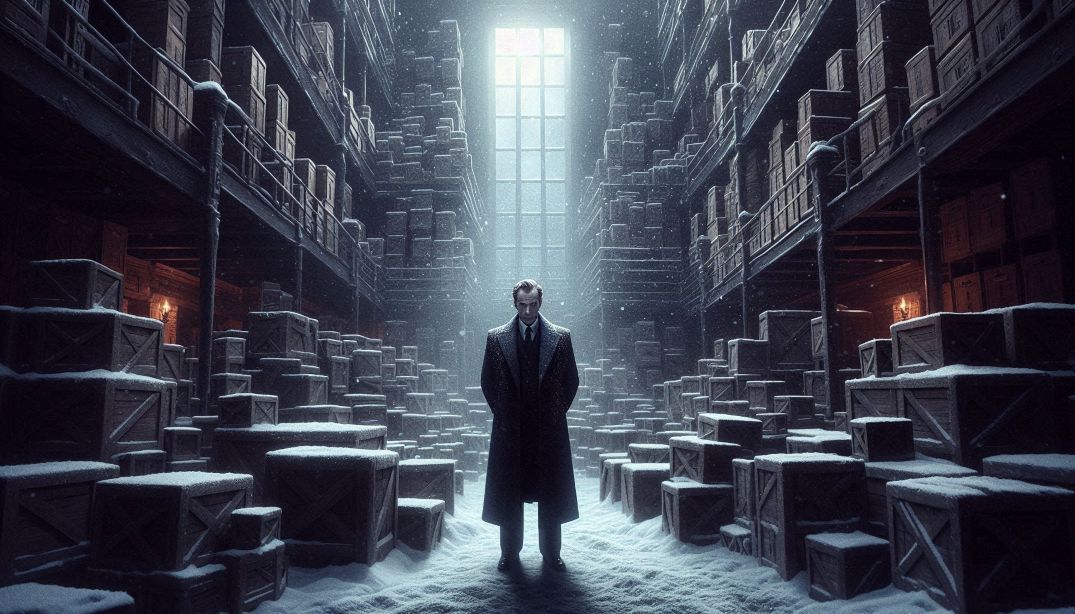
These characters hoard because they once had nothing. Their wealth is not luxury—it’s safety.
Backstory of the Characters
In Parasite, the Kim family’s desperation is shaped by generational poverty. Their pursuit of wealth is not greed—it’s survival.
Director’s Scope
Bong Joon-ho uses vertical space (basements vs. hilltop mansions) to symbolize economic trauma and the psychological distance between classes.
“Scarcity survivors don’t fear losing money—they fear losing stability.”
Narrative Breakdown
The Kims’ hoarding is subtle: opportunities, jobs, and access. Their downfall is rooted in systemic inequality, not personal failure.
The Power Collector
These characters hoard wealth to control others. Money becomes a weapon, a tool for manipulation, domination, and influence.
Backstory of the Characters
In Knives Out, Harlan Thrombey’s fortune becomes the gravitational center of his family’s dysfunction. Each relative clings to the inheritance as a means of power.
Director’s Scope
Rian Johnson uses the mansion as a labyrinth of secrets—every room a symbol of generational entitlement.
“For power collectors, wealth is not possession—it’s leverage.”
Narrative Breakdown
The hoarding here is relational. Characters hoard influence, access, and proximity to wealth. Their downfall is rooted in entitlement and dependency.
Table: The Four Wealth-Hoarding Archetypes
| Archetype | Core Fear | Behavior | Cinematic Examples |
|---|---|---|---|
| Fortress Builder | Vulnerability | Isolation, emotional distance | Citizen Kane, There Will Be Blood |
| Status Addict | Irrelevance | Excess, image obsession | Wolf of Wall Street, Crazy Rich Asians |
| Scarcity Survivor | Loss | Hypervigilance, accumulation | Parasite, Snowpiercer |
| Power Collector | Powerlessness | Manipulation, domination | Dune, Knives Out |
Case Study: Citizen Kane—The Loneliness of Accumulation
Charles Foster Kane is the quintessential fortress builder. His wealth is a monument to unresolved childhood trauma. Every object he collects is a failed attempt to reclaim the love he lost.
His mansion, Xanadu, becomes a mausoleum of emotional emptiness. The more he hoards, the more isolated he becomes.
“Kane dies surrounded by everything he owns—and nothing he needs.”
Case Study: There Will Be Blood—Scarcity as Violence
Daniel Plainview hoards wealth because he believes the world is hostile. His money becomes a fortress, his success a weapon, and his isolation inevitable.
Paul Thomas Anderson frames Plainview’s wealth as corrosive—each victory deepens his paranoia and emotional decay.

Explore More Cinematic Psychology
If you’re fascinated by the emotional and psychological layers of film, explore more:
FAQs
Why do films portray wealth hoarding as negative?
Because it reveals the emotional cost of unchecked accumulation—loneliness, paranoia, and identity collapse.
Is wealth hoarding always villainous?
No. Some characters hoard wealth as a trauma response, not malicious intent.
Why do audiences connect with these characters?
Because everyone has a relationship with scarcity, status, or security.
Quiz: Which Wealth-Hoarding Archetype Are You Most Like?
- Do you save money to feel safe or to feel superior?
- Do you fear losing wealth or losing status?
- Do you collect things or people?
- Does money make you feel powerful or protected?
Emotional Closing
Wealth hoarding in film is never about money. It’s about the wound money tries to hide—the fear it tries to silence, the identity it attempts to protect. Cinema shows us that the real cost of hoarding isn’t financial. It’s emotional. If you’re exploring the backstories of movies, why not binge on these cinematic shorts! Plot twists that you never see coming, the “why” in what a story is teaching you, and the art of being seen then continue exploring cinematic psychology:
Sources for further reading
- Emotionally Intent Movies
- Narrative Craft
- Movies That Make You Feel Something
- Original Stories & Emotional Worlds
- Movies With a Vibe
- World Cinema
Grow through the stories that shape you!
If you’re exploring the backstories of movies, why not binge on these cinematic shorts! Plot twists that you never see coming, the “why” in what a story is teaching you, and the art of being seen—then join me on YouTube! I create thoughtful, cinematic lessons designed to help you see your life with more compassion, courage, and intention.
Subscribe to Back Story Movies on YouTube! →Did I forget to mention, get more creativity in your life and shop the merch at Creativity Is Expression! Visit now @