

Summary:
Everything Everywhere All at Once serves as a cinematic mirror reflecting the chaos and emotional complexity of modern life. Through Evelyn Wang's multiverse journey, the film explores themes of identity, regret, and the overwhelming pressure of carrying multiple versions of oneself. It emphasizes the importance of choosing kindness and connection amidst life's noise, portraying these acts as revolutionary in a world filled with infinite possibilities and existential challenges.
The Chaos That Mirrors Us
Some films arrive like a mirror you didn’t ask to look into. Everything Everywhere All at Once is one of them—a story that doesn’t just unfold on screen but unfolds inside you. We watch Evelyn Wang sprint through universes, but we’re also watching ourselves: the versions we abandoned, the ones we feared, and the ones we still hope might be possible.
This movie is absurd, yes. But beneath the googly eyes and hotdog hands is a truth most of us avoid: life is overwhelming because we’re carrying too many versions of ourselves at once. And in that chaos, we’re trying to love, to parent, to survive, and to matter. This is a film about the noise of being alive—and the quiet courage it takes to keep choosing meaning anyway.
If this film opens something in you, explore these emotional and cinematic worlds:
- Discover how films are shaped from the inside out in our Behind-the-Scenes collection.
- Go deeper into the emotional logic of characters like Evelyn, Joy, and Waymond through Character Psychology.
- For films that carry the same emotional intensity and existential weight, explore Emotionally-Intent Movies.
- If you love decoding symbolism and narrative meaning, visit our Movie Explanations.
- For stories built on identity, longing, and the lives we don’t decide, explore Movies Based On.
- If you’re searching for films that echo the emotional chaos and beauty of this one, browse Movies Like.
- When a movie makes you feel something you can’t quite name, our Movies That Make You Feel Something collection helps you find the emotional language.
The Narrative—A Multiverse Built from Emotional Fractures
The Default Universe—The Life You Ended Up In
Evelyn’s laundromat life is not a failure. It’s a portrait of adulthood:
the dreams you shelved, the marriage you’re not sure how to fix, the child you love but don’t understand,
the bills that never stop, and the identity that feels worn thin. This universe is painfully ordinary—and that’s why it hurts.
It’s the version of life where you wake up and think, is this really all I became?
The Multiverse—Every Version You Could Have Been
The multiverse here isn’t just spectacle; it’s emotional architecture. Each universe is a psychological metaphor:
- Movie Star Evelyn—the life you imagine if you had never compromised.
- Hibachi Chef Evelyn—the life built on projection and misunderstanding.
- Hot Dog Hands Evelyn—the absurdity of love in unlikely forms.
- Rock Evelyn—the relief of not having to perform.
- Jobu’s Bagel Universe—the collapse that happens when everything becomes too much.
The multiverse is not about infinite possibility; it’s about infinite pressure.
The Bagel—The Shape of Emotional Collapse
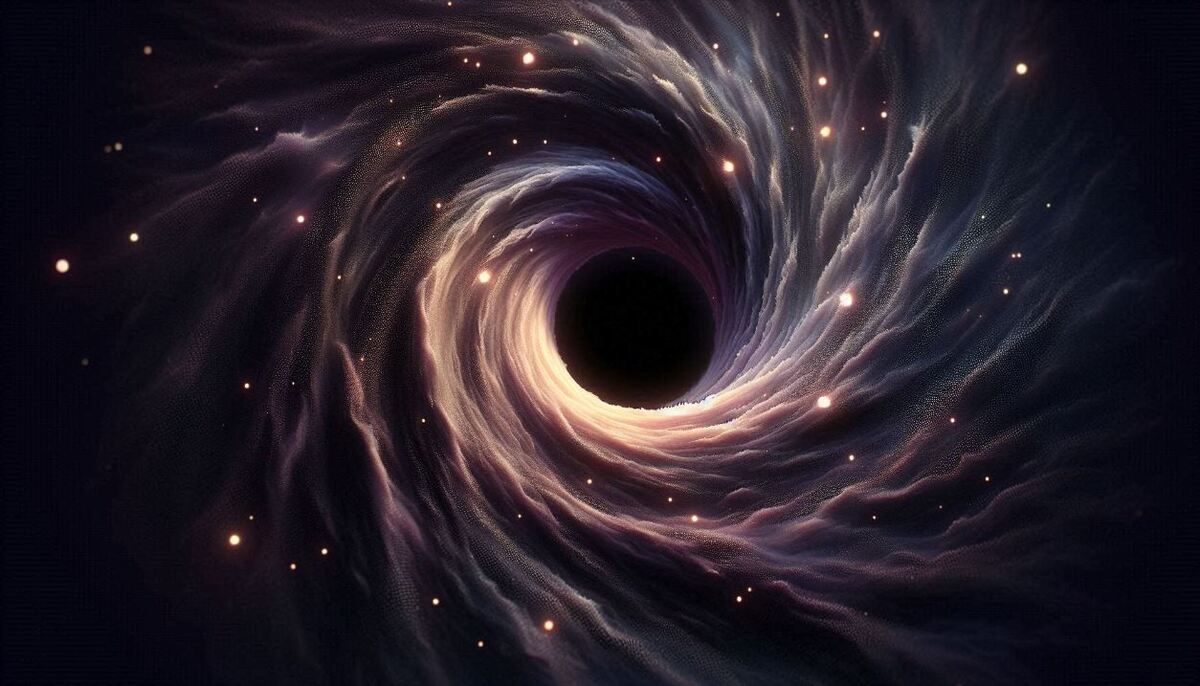
The Everything Bagel is not a joke. It’s a symbol of burnout, nihilism, identity fragmentation,
the desire to disappear, and the exhaustion of trying to be everything.
It’s the moment when your mind whispers, Nothing matters.
The Rock Universe—The Stillness We Crave
Two rocks on a cliff. No dialogue. Just subtitles and silence. This universe is the emotional opposite of the bagel:
- no noise
- no expectations
- no performance
- no pressure to be anything
It’s the fantasy of peace—the version of life where you finally stop running.
The Characters—Backstories, Wounds & Emotional Logic
Evelyn Wang—The Woman Who Lost Herself in Survival
Evelyn is not a mythic hero. She is a woman who has been in survival mode for so long that she forgot she ever had dreams.
Her backstory is built on:
- leaving her home country and disappointing her father, Gong Gong
- marrying a man who wasn’t “good enough” in her family’s eyes
- raising a daughter she doesn’t know how to reach
- running a struggling laundromat under constant financial pressure
- drowning in paperwork, taxes, expectations, and unspoken regret
Her emotional wound is unworthiness. Her arc is not about becoming extraordinary—it's about realizing she already is, even in the smallest, messiest version of her life.
Joy / Jobu Tupaki—The Daughter Who Became the Consequence
Joy is the emotional inheritance of Evelyn’s unresolved pain. She is both the child who wants to be seen and the cosmic force that has seen too much.
Her backstory is shaped by:
- growing up with a mother who loved her but didn’t fully see her
- navigating queerness and identity in a family that fears difference
- internalizing chaos as normal
- believing she is too much and not enough at the same time
Jobu Tupaki is not a villain; she is what happens when a child grows up believing love is conditional, identity is a battlefield, and nothing they do will ever be enough. Her arc is the search for someone who can hold her pain without collapsing.
Waymond Wang—The Soft Warrior
Waymond is often misunderstood—by Evelyn, by the world, and by the audience. His softness is misread as weakness when it is actually his greatest strength.
His backstory is shaped by:
- choosing optimism as a survival strategy
- believing kindness is a form of resistance
- carrying the emotional labor of the marriage quietly
- trying to hold the family together while Evelyn drifts further away
His emotional wound is being dismissed. His arc is proving that gentleness is not passivity—it is power.
“The only thing I do know is that we have to be kind. Please. Be kind.”
Director’s Scope—The Daniels’ Emotional Blueprint
Daniel Kwan and Daniel Scheinert—collectively known as the Daniels—approach filmmaking like emotional cartographers. They map the internal chaos of being human and translate it into cinematic language that feels both surreal and painfully honest.
Their creative philosophy blends:
- Absurdity as emotional truth—the stranger it looks, the more honest it feels.
- Surrealism as psychological metaphor—every bizarre image stands in for a real feeling.
- Humor as a coping mechanism—laughter as a pressure valve for existential dread.
- Immigrant identity as narrative backbone—the dislocation of belonging to multiple worlds at once.
- Existentialism as thematic gravity—the question of what makes life meaningful when nothing is guaranteed.
Their influences echo Wong Kar‑wai’s longing, Michel Gondry’s handmade surrealism, Charlie Kaufman’s existential spirals, and Stephen Chow’s comedic sincerity—but their signature is uniquely their own. They treat emotional wounds as multiversal events: every choice you didn’t make becomes a universe, every regret becomes a timeline, every fear becomes a villain, and every hope becomes a doorway. Their scope is not just visual—it is deeply psychological.
The Emotional Universes—A Map of Meaning
| Universe | Symbolism | Emotional Meaning |
|---|---|---|
| Laundromat | Default life | Regret, overwhelm, survival mode |
| Movie Star Evelyn | Lost Potential | the fantasy of whom you could’ve been |
| Jobu’s Bagel | Nihilism | Emotional collapse, burnout |
| Rock Universe | Stillness | Radical acceptance, peace |
| Hot Dog Hands | Absurdity | Love in unlikely forms |
| Hibachi Chef | Projection | Misunderstood identity |
Case Study—The Mother Who Saw Herself in Evelyn
A woman once shared that she watched the film after a painful argument with her daughter. She said:
“I didn’t realize how much of my fear I was handing down to her.”
The movie didn’t magically fix their relationship. But it gave them a language for their pain—a way to say, without defensiveness,
I see you now.
That’s the power of cinema when it’s emotionally honest: it doesn’t solve your life,
but it helps you recognize the shape of it.
Quiz—Which Universe Are You Living In?
Answer instinctively—don't overthink it.
- Do you feel overwhelmed by choices?
- A: No → You’re hovering near the Bagel Universe.
- B: No → You’re closer to the Rock Universe.
- Do you feel like you missed your potential?
- A: Yes → You’re visiting the Movie Star Universe in your mind.
- B: No → You’re rooted in the Laundromat Universe.
- Do you use humor to cope with pain?
- A: Yes → You’re fluent in the Hot Dog Hands Universe.
- B: No → You’re staying in the default emotional timeline.
There’s no “right” universe—only the one you’re honest enough to admit you’re in.
FAQs
Why does the movie feel so chaotic?
The chaos is intentional. It mirrors the emotional overload of modern life: constant information, constant pressure, and constant choice. The film uses visual and narrative chaos to externalize what it feels like inside a mind that’s trying to hold everything at once.
Is the multiverse meant to be literal or metaphorical?
It functions as both, but emotionally it’s metaphorical. Each universe represents a different
version of identity, regret, or desire. The multiverse is a way of asking,
who could I have been—and what do I do with the life I actually have?
Why is Joy/Jobu Tupaki so extreme?
Her extremity is the point. She embodies what happens when someone has seen too much, felt too much, and concluded that nothing matters. Her chaos is a defense mechanism against the terror of meaninglessness.
Why does the ending feel so grounded after all the absurdity?
Because the film argues that meaning is found in the smallest universe: the one where you stay, listen, and choose love. After all the noise, the most radical act is not jumping to another timeline—it's staying in this one.
What is the core message of the film?
That in a world of infinite possibilities and overwhelming chaos, deciding kindness and connection is not naive—it's revolutionary.
Sources
Emotional Closing
In the end, Everything Everywhere All at Once isn’t really about the multiverse. It’s about the version of you that’s still trying—even when life feels impossible, even when the noise is too loud, even when you’re convinced you’ve already failed.
It’s a reminder that meaning isn’t found in the universes you didn’t decide. Furthermore, it’s found in the one where you stay, breathe, soften, and decide to love anyway.
Because occasionally the bravest thing you can do is choose kindness—toward others, yes, but especially toward yourself!
Continue exploring stories that move, challenge, and transform you:
- For films with a distinct emotional frequency and cinematic strangeness, explore Movies With Vibe.
- If you crave original, surreal, emotionally layered storytelling, visit Original Stories & Emotional Worlds.
- Find films that match your season of life through our Seasonal Guides.
- For more in-depth insight into how filmmakers build meaning, symbolism, and emotional architecture, explore Storytelling & Narrative Craft.
- Discover where to watch the most emotionally resonant films right now in our Streaming hub.
- See what’s shaping the cultural moment in our Trending Movies.
- For stories about love, loss, and the emotional architecture of relationships, explore Movies About Love, Loss & Relationships.

Call to Action
If this film cracked something open in you—a memory, a regret, a possibility—stay with that feeling a little longer. Explore more stories that don’t just entertain but help you understand yourself: films about identity, longing, consequence, and the quiet revolutions that happen inside ordinary lives. Keep watching like your inner life matters. Keep reading like your emotions deserve language. And keep returning to the stories that make you feel a little less alone in the chaos.
Grow through the stories that shape you!
If you’re exploring the backstories of movies, why not binge on these cinematic shorts! Plot twists that you never see coming, the “why” in what a story is teaching you, and the art of being seen—then join me on YouTube! I create thoughtful, cinematic lessons designed to help you see your life with more compassion, courage, and intention.
Subscribe to Back Story Movies on YouTube! →Did I forget to mention, get more creativity in your life and shop the merch at Creativity Is Expression! Visit now @