
Summary:
Aesthetic movies transcend traditional storytelling by creating an immersive experience through visual and emotional presence. These films focus on mood, color, texture, and sound to evoke feelings and memories, often resonating like a lived experience. Social media has amplified this genre, turning aesthetic cinema into a cultural identity that offers viewers emotional refuge and connection. Aesthetic movies transcend traditional storytelling by creating an immersive experience through visual and emotional presence. These films focus on mood, color, texture, and sound to evoke feelings and memories, typically resonating like a lived experience. Social media has amplified this genre, turning aesthetic cinema into a cultural identity that offers viewers emotional refuge and connection.
Aesthetic Movies: Why We Crave Beautiful Cinema
Emotional Opening—The Moment a Movie Feels Like a Memory
There’s a moment—soft, almost imperceptible—when a movie stops being a movie and becomes a feeling.
A flicker of sunlight across someone’s cheek.
A window half‑open in summer.
A song drifting through a room like a memory you forgot you had.
A hand brushing against another hand, not quite touching, but close enough to change everything.
Aesthetic movies live in that moment.
They’re not defined by plot or spectacle. They’re defined by presence—the way a film can hold you, slow you, and breathe with you. When I watch an aesthetic movie, I don’t feel like I’m observing a story. I feel like I’m inside one. And when we talk about aesthetic cinema, we’re really talking about the emotional architecture of beauty—how images become sensations, how sensations become meaning, and how meaning becomes memory.
This article is a journey through that architecture—a cinematic timeline, a cultural shift, a psychological map, a director’s blueprint, and the emotional truth of why these films feel like therapy.
What Makes a Movie “Aesthetic”?
Before we dive into the deeper layers, we need a foundation. Aesthetic movies are films where visual identity is the emotional engine. They’re not just beautiful—they're intentional. Every frame is curated to evoke a specific emotional frequency.
Explore More Cinematic Worlds
- Character Psychology — a more in-depth look into the emotional blueprints that shape the dreamers, loners, and wanderers who define aesthetic cinema, revealing why certain characters feel like reflections of our own inner weather.
- Emotionally Intent Movies — films crafted with deliberate feeling, where every color, silence, and gesture is chosen to guide the heart toward something tender, unresolved, or quietly transformative.
- Movies With Vibe — mood-first films that don’t rush to explain themselves; they simply invite you into their atmosphere, letting you breathe in the world as if it were your memory.
- Storytelling & Narrative Craft—the architecture behind cinematic emotion, exploring how pacing, framing, and narrative rhythm create stories that linger long after the credits fade.
- Original Stories & Emotional Worlds — a journey into films that build entire emotional ecosystems from scratch, where worldbuilding becomes a form of intimate communication.
Core Traits of Aesthetic Cinema
- Color as emotional language: palettes that signal mood before a word is spoken.
- Texture that feels touchable: fabric, grain, light, and surfaces that feel almost tactile.
- Slow, intentional pacing: scenes that linger long enough for us to feel them.
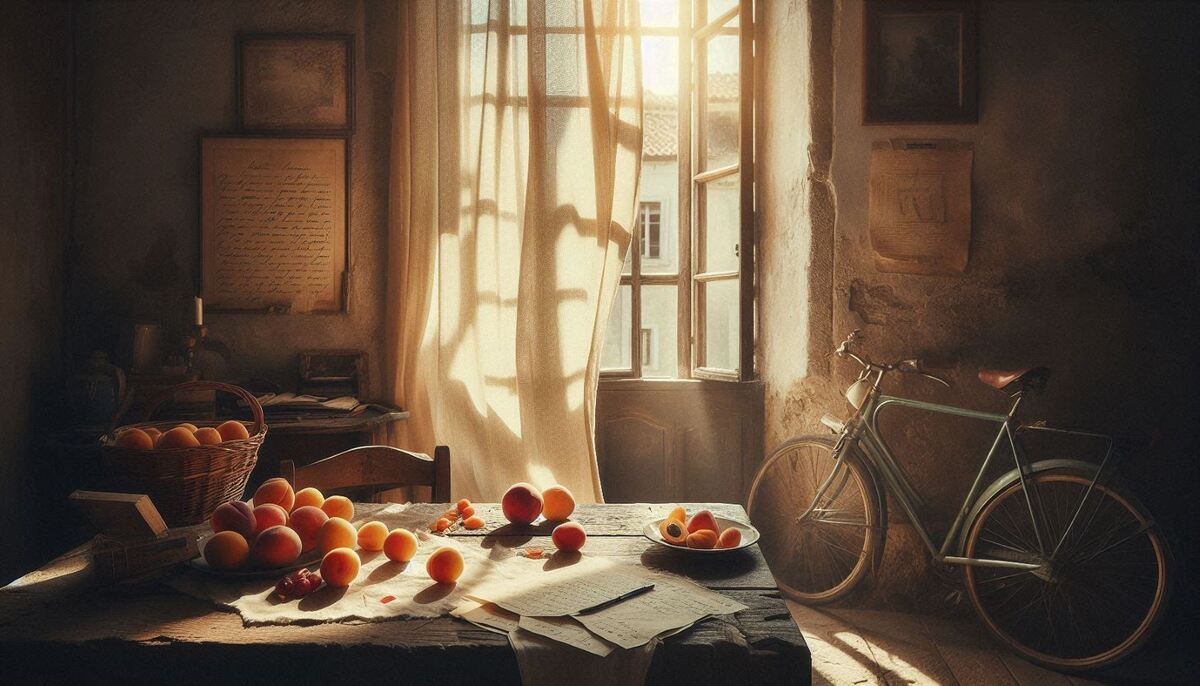
- Symbolic objects: fruit, letters, windows, water—recurring visual anchors.
- Soft, atmospheric soundscapes: ambient sound, gentle scores, and quiet dialogue.
- Characters as emotional archetypes: dreamers, loners, wanderers, romantics, and melancholics.
- Worlds that feel lived‑in: spaces that look inhabited, not staged.
Aesthetic Archetypes Table
| Aesthetic Type | Visual Traits | Emotional Tone | Examples |
|---|---|---|---|
| Pastel Romance | Soft light, warm tones | Tender, nostalgic | La La Land, Past Lives |
| Dark Academia | Shadows, libraries, autumn | Intellectual, brooding | Dead Poets Society |
| Cottagecore | Nature, softness, handmade textures | Comfort, slowness | Little Women (2019) |
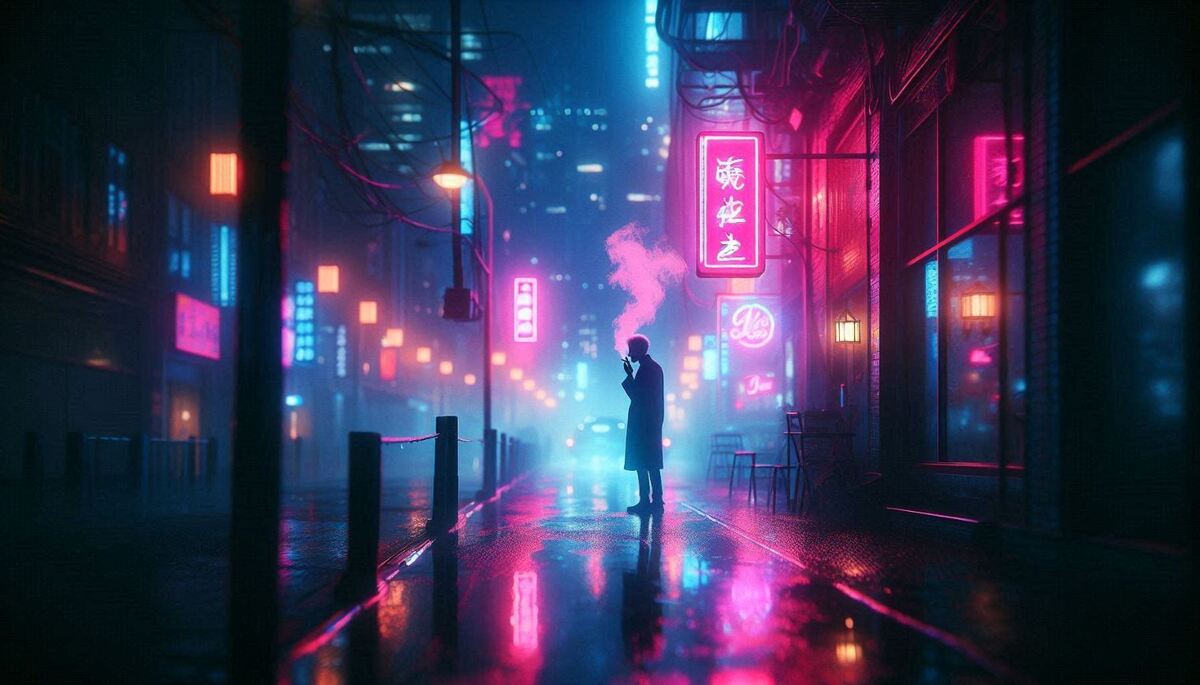
| Neon Noir | High-contrast, neon lights | Seductive, dangerous | Drive, Blade Runner 2049 |
| Minimalist Modern | Clean lines, muted palettes | Calm, introspective | Her |
| Vintage Film Grain | 16 mm/35 mm texture | Nostalgic, intimate | Lady Bird |
The Evolution of Aesthetic Cinema Across Decades
Aesthetic cinema didn’t appear out of nowhere. It evolved—decade by decade—shaped by technology, culture, and the emotional needs of audiences.
1950s—Technicolor Dreams
The 1950s gave us lush, saturated worlds—films like Vertigo, An American in Paris, and Rebel Without a Cause.
Color wasn’t just visual—it was emotional:
- Red signaled desire and danger.
- Blue carried longing and distance.
- Green hinted at envy, mystery, or the uncanny.
This era taught filmmakers that color could tell a story on its own.
1960s—French New Wave & Imperfect Beauty
The French New Wave broke everything open.
- Handheld cameras
- Natural light
- Jump cuts
- Real streets and real apartments
Films like Breathless and The 400 Blows introduced the idea that beauty could be raw, imperfect, and spontaneous. The aesthetic wasn’t polished—it was alive.
1970s—Grain, Grit, and Realism
The 70s embraced texture and atmosphere.
Movies like Taxi Driver and Days of Heaven used:
- Visible film grain
- Muted, earthy palettes
- Naturalistic lighting
These films proved that aesthetic cinema didn’t have to be glamorous—it could be haunting, grounded, and emotionally heavy.
1990s—Indie Intimacy
The 90s gave us the rise of indie aesthetics—small stories with big feelings.
Think Before Sunrise, The Virgin Suicides, Chungking Express:
- Soft, intimate cinematography
- Character‑driven narratives
- Minimalist production design
These films felt like diary entries—private, confessional, and deeply aesthetic.
2010s—Digital Mood Cinema
The 2010s brought a new wave of aesthetic films:
- Her
- Moonlight
- Call Me By Your Name
- La La Land
- Portrait of a Lady on Fire
Digital cameras allowed filmmakers to paint with light in ways that felt almost dreamlike. Color grading became a core storytelling tool, and “mood cinema” emerged—films that felt like entire emotional states.
2020s—The TikTok Era of Aesthetic Minimalism
In the 2020s, aesthetic cinema became a shared language.
- Soft, diffused lighting
- Muted, cohesive color palettes
- Symmetry and stillness
- Minimal dialogue, maximal feeling
Aesthetic movies turned into a cultural identity—something you didn’t just watch but aligned yourself with.
How Social Media Rewired Aesthetic Film Culture
Aesthetic cinema didn’t just evolve—it exploded. Social media turned aesthetic movies into a living, circulating visual language.
Tumblr—The Birth of Moodboards
Tumblr taught us to curate feelings. Screenshots became emotional artifacts. A single still from a film could travel further and faster than the film itself.
Pinterest—The Rise of Color Palettes
Pinterest turned aesthetic movies into visual taxonomies. Users pinned:
- Color palettes from specific films
- Still frames grouped by mood
- Boards dedicated to “soft cinema,” “neon nights,” and “autumn films”
TikTok — Micro‑Aesthetics
TikTok created micro‑aesthetic trends:
- “Coastal granddaughter”
- “Dark academia”
- “Soft girl autumn”
- “Indie sleaze”
Clips from movies became templates for identity. People didn’t just say, “I like this film.” They said, “This film is my aesthetic.”
Instagram—Still-Life Cinema
Instagram made aesthetic movies aspirational. People styled their bedrooms, coffee tables, outfits, and vacations like scenes from their favorite films.
The line between living and staging blurred, and aesthetic cinema became both mirror and blueprint.
The Emotional Archetypes Behind Aesthetic Characters
Aesthetic movies aren’t just about how things look—they're about how people feel. At the center of these films are characters who embody emotional archetypes.
The Dreamer
The Dreamer is soft, hopeful, and romantic. They often live slightly out of sync with reality—always imagining, always yearning.
Visually, they’re framed in warm light, surrounded by books, music, or art. Their world feels like a half‑remembered dream.
The Loner
The Loner is quiet, introspective, and observant. They watch more than they speak.
They’re frequently framed in shadows, doorways, or windows—always slightly separated from the world they inhabit.
The Wanderer
The Wanderer is always moving, always searching—for a place, a person, or a version of themselves.
They’re typically shot in wide landscapes, train stations, roads, and liminal spaces. The camera follows them like a question.
The Romantic
The Romantic feels everything deeply. Love, loss, longing—nothing is casual.
They’re surrounded by symbolic objects: letters, flowers, records, and photographs. Their environment becomes an altar to their feelings.
The Melancholic
The melancholic lives in memory. They’re haunted by what was, what could have been, or what never was.
They’re often framed in cool tones, rain‑streaked windows, or dim rooms. The aesthetic mirrors their internal weather.
The Filmmaker’s Blueprint: How Directors Build Aesthetic Worlds
Aesthetic cinema is not accidental. It’s crafted — meticulously.
Color Theory
Color is emotion in aesthetic films. Directors and colorists use palettes to guide how we feel:
- Warm golds for nostalgia and intimacy
- Cool blues for longing and distance
- Soft pinks for romance and vulnerability
- Muted greens for calm or quiet unease
- Deep reds for desire, danger, or obsession
Texture
Texture is the secret weapon of aesthetic cinema. It makes the world feel touchable:
- Film grain
- Linen clothing
- Sunlight on skin
- Dust in the air
- Reflections on water or glass
Light
Light is intimacy. Aesthetic directors use:
- Soft, diffused daylight
- Golden hour glow
- Candlelight and lamps instead of harsh overheads
Composition
Composition is psychology. Aesthetic films often use:
- Symmetry to create calm or tension
- Negative space to emphasize loneliness
- Center framing to highlight emotional focus
- Slow pans and still frames to let feelings land
Sound
Sound is atmosphere. Aesthetic movies lean on:
- Ambient soundscapes (birds, wind, distant traffic)
- Minimalist scores
- Diegetic music (songs playing inside the scene)
Symbolic Objects
Objects become emotional anchors:
- Fruit (desire, ripeness, fleeting time)
- Water (change, cleansing, emotional depth)
- Windows (distance, longing, separation)
- Letters (unspoken words, delayed truth)
The Viewer’s Experience: Why Aesthetic Movies Feel Like Therapy
This is the emotional heart of aesthetic cinema: how it feels to us.
Neuroaesthetics
Research into neuroaesthetics suggests that beauty can calm the brain. Symmetry, soft color transitions, and gentle motion can reduce stress responses and increase feelings of safety.
Sensory Immersion
Aesthetic movies feel like being held. The combination of soft visuals, slow pacing, and gentle sound design creates a sensory cocoon.
Emotional Regulation
When life feels chaotic, aesthetic films offer controlled, curated emotion. They let us feel deeply—but safely.
Memory Activation
Aesthetic films often mimic the texture of memory: slightly blurred, warmly lit, incomplete but emotionally charged. They don’t just tell stories—they echo the way we remember our lives.
Case Study—Call Me by Your Name
Call Me by Your Name is a masterclass in aesthetic storytelling.
Visual Language
The film is built on:
- Sun‑washed Italian countryside
- Soft 1980s color palette
- Slow, languid pacing
- Intimate, observant camera work
- Natural soundscape—cicadas, footsteps, distant voices
Character Backstory
Elio and Oliver are emotional opposites:
- Elio: introspective, cerebral, yearning; typically framed in shadow or partial light.
- Oliver: confident, embodied, sunlit; typically framed in open, bright spaces.
Their dynamic creates visual contrast—the aesthetic becomes a metaphor for their internal worlds.
Director’s Scope
Luca Guadagnino’s approach is rooted in sensation. He doesn’t over‑explain. Instead, he lets:
- Fruit
- Water
- Sunlight
- Music
carry emotional meaning. The film feels less like a narrative and more like a summer you once lived and can never quite get back.
“Aesthetic movies don’t just tell stories. They invite you into them.”
FAQs
Are aesthetic movies always slow?
Not always, but many use slower pacing to create emotional immersion and give visuals room to breathe.
Do aesthetic movies need a strong plot?
No. Many aesthetic films rely more on mood, character, and sensory experience than on complex plotting.
Can action films be aesthetic?
Absolutely. Films like Blade Runner 2049 and Drive blend kinetic energy with strong visual identity.
Why do aesthetic movies feel nostalgic?
Because they use color, texture, and pacing that mimic the way we remember—soft, selective, and emotionally charged.
Are aesthetic movies just “style over substance”?
They can be, but the best ones use style as substance—visuals become the emotional language of the story.
Do I need to understand film theory to enjoy aesthetic movies?
Not at all. Your emotional response is valid on its own. Theory just gives you more words for what you already feel.
Why do I rewatch the same aesthetic movies when I’m overwhelmed?
Because they function like emotional safe spaces—familiar, soothing, and predictable in the best way.
Can I create aesthetic videos without expensive gear?
Yes. Intentional light, color, composition, and pacing matter more than equipment. Even a phone camera can be aesthetic.
Are aesthetic movies a trend or something lasting?
The language evolves, but the desire for beautiful, emotionally resonant images is timeless.
What’s the best way to start exploring aesthetic cinema?
Pick one mood—nostalgic, romantic, melancholic, or dreamy—and find films that visually embody that feeling. Follow what resonates.
Quiz: What Aesthetic Movie Style Fits You?
- You prefer movies that feel like:
- A) A dream
- B) A diary
- C) A poem
- D) A neon‑lit city
- Your ideal color palette:
- A) Pastels
- B) Earth tones
- C) Neon
- D) Muted blues
- Your emotional tone:
- A) Romantic
- B) Melancholic
- C) Introspective
- D) Electric
Use your answers as a compass—they'll point you toward the aesthetic films that feel like home.
Sources
- UCL — Neuroaesthetics: How Beauty Affects the Brain
- StudioBinder — Color Theory & Color Grading in Film
- Sight & Sound Magazine — Essays on Cinematic Mood and Visual Language
- Criterion Collection — The French New Wave
- No Film School — Understanding Film Grain & Texture
- Vox — How TikTok Created the Era of Micro‑Aesthetics
-
IndieWire — What Slow Cinema Really Means
Call to Action
If you’re building your own aesthetic film, video essay, or cinematic brand, this is your invitation to treat visuals as emotional architecture. Define the feeling first. Then build the world around it—color, light, texture, sound, and character.
Continue Your Cinematic Journey
- Movies That Make You Feel Something — a curated collection of films that bypass logic and speak directly to the heart, reminding us why we turn to cinema when words fail.
- World Cinema — global stories told through unique visual languages, expanding our understanding of beauty, culture, and the emotional universality of film.
- Movies About Love, Loss & Relationships — intimate portraits of connection and heartbreak, where the aesthetic becomes a vessel for the quiet truths we rarely say aloud.
- Behind the Scenes — a look into the craft behind the camera, revealing how filmmakers sculpt light, color, and texture to create the emotional resonance we feel on screen.
- Seasonal Guides — cinematic journeys curated by season, matching films to the emotional temperature of autumn introspection, winter stillness, spring renewal, and summer longing.
Emotional Closing
Aesthetic movies remind us that beauty is not decoration—it's communication. It’s the language of longing, memory, and emotional truth. When a film is beautiful, it’s not trying to impress us. It’s trying to reach us. And we feel it—in our bodies, in our memories, in the quiet spaces we don’t always have words for. That’s why we return to these films. Not just to watch them again, but to live inside them—one more time.
Grow through the stories that shape you!
If you’re exploring the backstories of movies, why not binge on these cinematic shorts! Plot twists that you never see coming, the “why” in what a story is teaching you, and the art of being seen—then join me on YouTube! I create thoughtful, cinematic lessons designed to help you see your life with more compassion, courage, and intention.
Subscribe to Back Story Movies on YouTube! →
Did I forget to mention, get more creativity in your life and shop the merch at Creativity Is Expression! Visit now @