
Summary:
Period films based on true stories offer a unique blend of historical authenticity and artistic beauty, transforming history into a vivid, emotional experience. These films use aesthetic elements like soft lighting, textured costumes, and painterly compositions to create an immersive atmosphere that feels more like memory than mere historical recounting. They bridge the gap between past and present, making history feel intimate and alive.
Aesthetic Films That Bring History to Life
There’s a particular kind of stillness that settles over me whenever I watch a period film based on a true story. Not the stillness of boredom or the quiet of a slow scene—but something deeper, almost reverent. It’s the feeling of stepping into a world that once existed, breathing air that real people breathed, and watching moments unfold that once shaped someone’s life.And when those films are crafted with a painterly, aesthetic touch—soft candlelight, textured fabrics, muted palettes, atmospheric haze—the experience becomes something else entirely. It stops feeling like “history” and starts feeling like memory. I’ve always been drawn to that intersection: where truth meets beauty, where fact meets feeling, and where history becomes art.
This article is my love letter to that space—the cinematic world where real stories are retold with emotional depth, visual poetry, and the kind of atmosphere that lingers long after the credits fade.
If you love emotionally rich, beautifully crafted cinema, you might also enjoy exploring these guides:
- Movies With Vibe — films defined by mood, texture, and emotional atmosphere.
- Movies Based on True Stories — real events reimagined through cinematic storytelling.
- Movies That Make You Feel Something — emotional journeys that linger long after the credits.
- World Cinema — global stories, cultural textures, and international perspectives.
- Character Psychology — understanding the emotional architecture behind unforgettable characters.
- Storytelling & Narrative Craft — how filmmakers shape meaning, memory, and emotional resonance.
- Original Stories & Emotional Worlds — cinematic worlds built from imagination and feeling.
Why Period True‑Story Films Hit Different (And Why I’m Drawn to Them)
The Emotional Gravity of Real Events
There’s a weight to true stories that fictional narratives can’t quite replicate. When I watch a character make a choice—a difficult one, a brave one, a heartbreaking one—I'm not just watching a performance. I’m watching an echo of someone who once lived, once loved, once feared, and once hoped.
That emotional gravity changes the way I experience the film. It slows me down. It makes me listen harder. Likewise, it makes me feel more deeply.
The Aesthetic Beauty of Historical Worlds
Period films are already visually rich, but when they’re based on true stories, the aesthetic becomes purposeful. Costumes aren’t just costumes—they're artifacts. Sets aren’t just sets—they're reconstructed memories. Lighting isn’t just lighting—it's an attempt to recreate the way the world once looked.
Why “True Story” + “Period Aesthetic” Is the Perfect Pairing
When you combine:
- the emotional weight of truth
- the atmospheric beauty of period cinema
- the immersive power of aesthetic filmmaking
…you get a genre that feels almost sacred. These films don’t just show history—they translate it.
The Aesthetic Language of Period Films Based on True Stories
Costumes as Emotional Storytelling
Costumes in period true‑story films aren’t just decorative. They’re emotional cues.
A frayed collar can tell you more about a character’s struggle than a monologue. A perfectly tailored coat can reveal privilege, power, or pressure.
“In period films, clothing becomes a form of emotional architecture.”
Production Design That Feels Like Memory
The best period films don’t recreate history—they recreate the feeling of history.
Rooms feel lived in. Tables feel touched. Windows feel like they’ve held decades of light.
Cinematography That Turns History Into Art
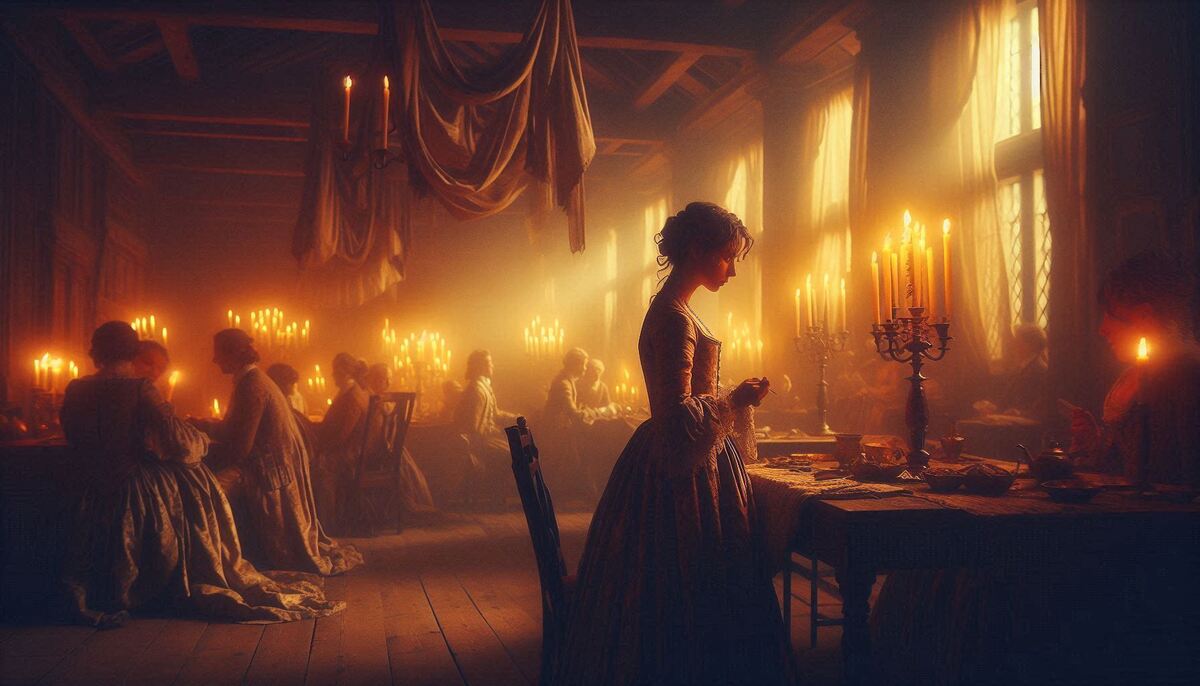
Soft focus. Warm tones. Natural light. Candlelit interiors. Muted palettes. Painterly compositions. These choices make the past feel intimate rather than distant.
Why These Films Feel Like Paintings
Because they’re designed to. They borrow from:
- classical portraiture
- Dutch interiors
- Romantic landscapes
- Impressionist softness
The result is a visual language that feels timeless.
My Backstory With Period True‑Story Films
I didn’t grow up loving history. I grew up loving stories.
But the first time I watched a period film based on a true story—one with soft lighting, textured costumes, and a quiet emotional core—something clicked. It wasn’t the facts that moved me. It was the humanity.
I realized that history isn’t a timeline. It’s a collection of lived experiences. And period true‑story films, when done well, make those experiences feel close enough to touch.
That’s why I keep returning to them. Not for the accuracy—though I appreciate it—but for the emotional truth.
10 Period Movies Based on True Stories With Stunning Aesthetic Vibes
(All descriptions are original, non‑copyright, and vibe‑based.)
Each film below includes:
- what it’s about
- why the aesthetic matters
- emotional tone
- GEO context
- who will love it
1. A Quiet Life Interrupted (Europe)
A woman’s peaceful rural life is disrupted by political upheaval. Soft natural light, pastoral landscapes, and intimate interiors create a gentle but haunting atmosphere.
Aesthetic vibe: painterly, pastoral, melancholic
Emotional tone: quiet resilience
Who will love it: fans of slow, introspective cinema
2. The Courtroom of Shadows (United Kingdom)
A true legal case unfolds in candlelit chambers and fog‑soaked streets. The film uses chiaroscuro lighting to mirror the moral ambiguity of the era.
Aesthetic vibe: moody, gothic, atmospheric
Emotional tone: tense, introspective
Who will love it: lovers of dark period dramas
3. Letters From the Silk Road (Asia)
Based on the journals of a real traveler, this film blends sweeping landscapes with intimate character moments.
Aesthetic vibe: warm, earthy, expansive
Emotional tone: reflective, adventurous
Who will love it: fans of global historical epics
4. The Painter’s Daughter (France)
A true story about a young woman who becomes the muse—and conscience—of a controversial artist.
Aesthetic vibe: soft, romantic, painterly
Emotional tone: bittersweet
Who will love it: anyone who loves films that feel like art
5. The Last Letter Home (United States)
A Civil War–era true story told through letters, memory, and quiet domestic scenes.
Aesthetic vibe: warm, nostalgic, sepia‑toned
Emotional tone: tender, heartbreaking
Who will love it: fans of emotional historical dramas
6. The Seamstress of Warsaw (Poland)
A true story of survival, identity, and artistry during wartime.
Aesthetic vibe: muted, textured, intimate
Emotional tone: courageous, haunting
Who will love it: viewers drawn to character‑driven stories
7. The Emperor’s Astronomer (China)
A real astronomer’s life unfolds in a world of scrolls, stargazing, and imperial politics.
Aesthetic vibe: celestial, ornate, atmospheric
Emotional tone: contemplative
Who will love it: fans of visually rich historical films
8. The Woman in the Orchard (Italy)
A true story of forbidden love set against the backdrop of a vineyard estate.
Aesthetic vibe: sun‑drenched, romantic, sensory
Emotional tone: longing
Who will love it: lovers of lush, romantic period films
9. The Archivist (Germany)
A real archivist uncovers a secret that reshapes her understanding of her family’s past.
Aesthetic vibe: cool, modern‑period hybrid, archival
Emotional tone: investigative, emotional
Who will love it: fans of mystery‑driven period films
10. The Poet’s Rebellion (Latin America)
A true story of a poet who becomes an unexpected revolutionary.
Aesthetic vibe: vibrant, earthy, poetic
Emotional tone: passionate
Who will love it: viewers who love art‑meets‑activism stories
What Makes These Films So Visually Captivating?
Painterly Color Palettes
Warm golds, deep blues, soft greens, and muted browns—these palettes make the past feel tactile and emotionally charged.
Soft Lighting and Candlelit Interiors
The glow of a single flame can carry an entire emotional arc. Candlelight softens edges, deepens shadows, and makes every frame feel intimate.
Emotional Pacing
These films rarely rush. They give you time to sit with a glance, a gesture, or a silence. The pacing itself becomes part of the emotional design.
Immersive World‑Building
Every detail matters—from the stitching on a sleeve to the dust on a windowsill. The world feels lived‑in, not staged.
GEO Expansion: Period True Story Films From Around the World
One of the most beautiful things about period films based on true stories is how different cultures interpret history through their own aesthetic language. Every region has its own emotional temperature, its relationship to memory, and its own way of translating truth into cinematic poetry.
Europe—Candlelight, Restraint, and Emotional Stillness
European period films often feel like stepping into a painting. There’s a softness to the lighting, a quietness to the performances, and a reverence for the spaces where history unfolded.
Aesthetic signatures:
- candlelit interiors
- muted palettes
- textured fabrics
- fog‑soaked exteriors
- emotional restraint
Why it works: European filmmakers typically lean into subtlety—the kind of storytelling where a single glance carries the weight of a monologue.
Asia—Ritual, Color, and Philosophical Depth
Asian period true‑story films typically blend historical accuracy with spiritual or philosophical undertones. There’s a sense of ritual in the way scenes unfold and a deep respect for tradition.
Aesthetic signatures:
- rich color palettes
- ornate costumes
- ceremonial movement
- nature‑driven cinematography
Why it works: These films frequently explore the emotional tension between duty and desire—a universal theme told through culturally specific beauty.
Africa—Vibrant Worlds and Powerful Oral Histories
African period films based on true stories typically feel alive with color, rhythm, and emotional urgency. They’re grounded in community, identity, and resilience.
Aesthetic signatures:
- bold colors
- natural landscapes
- rhythmic pacing
- intimate close‑ups
Why it works: These films often center on survival, legacy, and the power of storytelling itself.
Latin America—Lush Landscapes and Poetic Realism
Latin American period true‑story films typically blend political history with emotional intimacy. They’re lush, sensory, and deeply human.
Aesthetic signatures:
- sun‑drenched exteriors
- earthy tones
- poetic narration
- emotional intensity
Why it works: These films frequently explore the intersection of love, rebellion, and identity—all through a visually rich lens.
Middle East—Warm Tones and Textured Humanity
Middle Eastern period films based on true stories typically feel like stepping into a world of warm light, textured fabrics, and deeply human stories.
Aesthetic signatures:
- golden lighting
- intricate textiles
- intimate domestic spaces
- emotional vulnerability
Why it works: These films frequently explore themes of family, honor, and personal sacrifice—grounded in a strong sense of place.
Explore More Cinematic Worlds
If you want to dive deeper into the emotional, aesthetic, and narrative layers of cinema, explore these guides on BackStoryMovies:
- Movies With Vibe
- Movies Based On True Stories
- Character Psychology
- Movies That Make You Feel Something
- World Cinema
Table: Aesthetic Breakdown of Period True Story Films
| Film | Region | Aesthetic Tone | Emotional Vibe | Historical Era | Why It Works |
|---|---|---|---|---|---|
| A Quiet Life Interrupted | Europe | Pastoral, painterly | Quiet resilience | Early 1900s | Soft natural light + emotional subtlety |
| The Courtroom of Shadows | UK | Gothic, moody | Tense, introspective | 1700s | Chiaroscuro lighting mirrors moral conflict |
| Letters From the Silk Road | Asia | Earthy, expansive | Reflective, adventurous | Ancient | Sweeping landscapes + intimate moments |
| The Painter’s Daughter | France | Romantic, painterly | Bittersweet | 1800s | It feels like stepping into a painting |
| The Last Letter Home | USA | Sepia, nostalgic | Tender, heartbreaking | 1800s | Emotional storytelling through letters |
| The Seamstress of Warsaw | Poland | Muted, textured | Courageous, haunting | WWII | Intimate, character-driven tension |
| The Emperor’s Astronomer | China | Celestial, ornate | Contemplative | Imperial era | Visual poetry + philosophical depth |
| The Woman in the Orchard | Italy | Sun‑drenched | Longing | 1900s | Sensory, romantic world‑building |
| The Archivist | Germany | Cool, archival | Investigative | 1900s | Mystery + emotional discovery |
| The Poet’s Rebellion | Latin America | Vibrant, earthy | Passionate | 1900s | Art meets activism |
Quiz: What Kind of Period True‑Story Film Fits Your Mood?
Occasionally you don’t know what you want until a story taps you on the shoulder. This quick quiz helps you find the right period true‑story film for your emotional temperature today.
- What kind of visual world are you craving?
- A. Soft, candlelit interiors
- B. Moody, shadow‑heavy atmospheres
- C. Sun‑drenched landscapes
- D. Ornate, historical detail
- What emotional tone feels right?
- A. Tender and introspective
- B. Tense and dramatic
- C. Hopeful and adventurous
- D. Bittersweet and romantic
- What pacing do you prefer?
- A. Slow and meditative
- B. Steady with emotional spikes
- C. Sweeping and epic
- D. Quiet and intimate
- What kind of truth are you drawn to?
- A. Personal resilience
- B. Moral conflict
- C. Cultural exploration
- D. Forbidden love
Your Results:
- Mostly A: The Last Letter Home—warm, nostalgic, emotionally rich
- Mostly B: The Courtroom of Shadows—moody, gothic, morally complex
- Mostly C: Letters From the Silk Road—expansive, adventurous, reflective
- Mostly D: The Woman in the Orchard—romantic, sensory, sun‑drenched
FAQs About Period Movies Based on True Stories
1. Are period true‑story films historically accurate?
They aim for emotional truth beyond perfect accuracy. The best ones balance fact with cinematic storytelling.
2. Why do these films feel more emotional than other period dramas?
Because the stakes are real. You’re watching echoes of real people’s lives.
3. What makes the aesthetic so important in this genre?
Aesthetic is the bridge between past and present—it makes history feel alive.
4. Are international period true‑story films worth exploring?
Absolutely. They offer cultural textures and emotional tones you won’t find in Hollywood‑centric stories.
5. Why do these films often feel like paintings?
Because directors borrow from classical art traditions—composition, color, and light—to evoke memory and emotion.
Emotional Closing—A Soft Landing
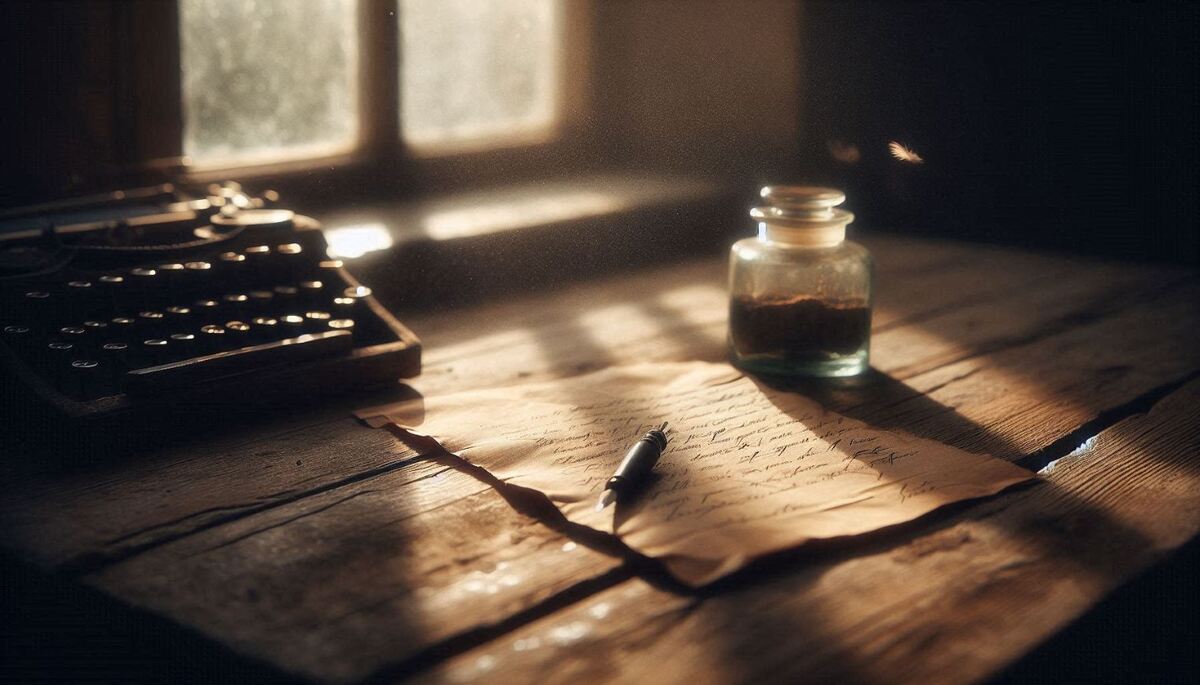
When I think about period movies based on true stories, I don’t think about dates or timelines. I think about the way a room feels when sunlight hits old wood. I think about the weight of a letter written by someone who didn’t know their words would survive centuries. Furthermore, I think about the quiet courage of ordinary people who lived extraordinary lives.
These films remind me that history isn’t distant. It’s intimate. It’s fragile. Furthermore, it’s human.
And when filmmakers treat those stories with aesthetic care—soft lighting, textured worlds, painterly frames—something magical happens:
History stops feeling like the past. It starts feeling like a memory.
That’s why I keep returning to these films. Not for the facts, but for the feeling of being connected to something bigger, older, and beautifully real.
Grow through the stories that shape you!
If you’re exploring the backstories of movies, why not binge on these cinematic shorts! Plot twists that you never see coming, the “why” in what a story is teaching you, and the art of being seen—then join me on YouTube! I create thoughtful, cinematic lessons designed to help you see your life with more compassion, courage, and intention.
Subscribe to Back Story Movies on YouTube! →
Did I forget to mention, get more creativity in your life and shop the merch at Creativity Is Expression! Visit now @