
Summary:
Psychological thrillers captivate by transforming films into mirrors reflecting our deepest fears and doubts. These movies rely on psychological elements like memory, identity, and perception to unsettle viewers, using endings that reveal truths rather than mere plot twists. By exploring various archetypes such as identity collapse or ambiguous conclusions, these films challenge viewers to confront internal battles and question their perceptions. They linger in the mind, inviting repeated viewings to uncover hidden depths, ultimately exposing truths we may not be ready to face.
A cinematic deep dive into the twists, truths, and emotional architecture behind the genre’s most haunting finales. 🎥🖤
🌑 Cinematic Opening—The Moment the Truth Hits
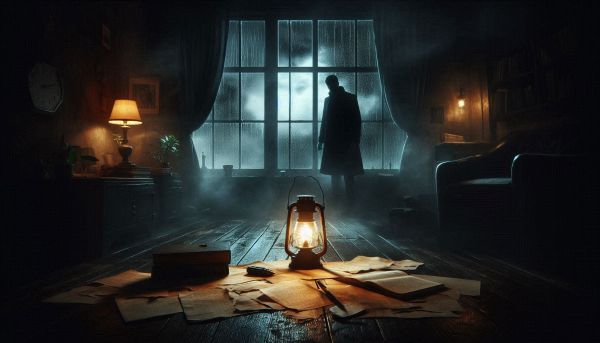
There’s a moment—always a quiet one—when a psychological thriller stops being a movie and becomes a mirror. It’s never during the chase. It’s never during the scream. Furthermore, it’s always during the silence.
That breath before the truth hits. That flicker of doubt in a character’s eyes. It's the split second when you realize the story isn’t just happening to them—it's happening inside them.
You feel it in your chest. A tightening. A recognition. A strange, electric ache. Because psychological thrillers don’t terrify you with monsters. They terrify you with your mind.
If you’re drawn to stories where the mind becomes the battleground—where identity fractures, memories twist, and perception turns against the protagonist—explore these psychologically rich guides next:
- Character Psychology — deep dives into the emotional architecture behind unforgettable protagonists.
- Emotionally Intent Movies — films crafted to hit with precision, purpose, and psychological weight.
- Movie Explanations — endings decoded, symbolism unpacked, and narrative twists broken open.
- Movies With Vibe — atmospheric, moody, slow-burn cinema that shapes your emotional weather.
These guides are perfect if you love films that don’t just entertain—they unravel you.
They ask questions you would rather not answer.
- What if your memories are lying to you?
- What if you’re not who you think you are?
- What if the danger isn’t outside—but inside your head?
And when the ending arrives—that final twist, that final truth—it doesn’t just shock you. It exposes you.
“The best psychological thriller endings don’t surprise you. They reveal the truth you weren’t ready to face.”
Today, we’re going inside the endings that do exactly that—the ones that twist perception, fracture identity, and refuse to leave your mind alone. We’re doing it together—you and I—breaking down the emotional architecture behind the genre’s most unforgettable finales. If you’re drawn to stories where the mind becomes the battleground, you’ll feel right at home in Character Psychology, Emotionally Intent Movies, and Movie Explanations.
🧠 Why Psychological Thriller Endings Hit So Hard
Psychological thrillers don’t rely on gore or jump scares. They rely on psychology—yours and the character’s.
They weaponize:
- Memory
- Identity
- Perception
- Guilt
- Repression
- Fear of the self
- Emotional blind spots
- Cognitive dissonance
These films don’t just twist the plot—they twist you. They sit in the same emotional territory as the films we explore in Movies That Make You Feel Something and Movies With Vibe, but with a sharper psychological edge.
“The best psychological thriller endings don’t surprise you. They expose you.”
🔍 The 5 Psychological Thriller Ending Archetypes (Explained)
Most psychological thrillers land in one of a few emotional patterns. Understanding these helps us decode why certain endings feel so haunting.
| Ending Type | What It Means | Emotional Impact | Example Films |
|---|---|---|---|
| The Identity Collapse | The protagonist is the threat | Shock → grief → recognition | Fight Club, Enemy, The Machinist |
| The Memory Reveal | The truth was always there — buried | Sadness → clarity → ache | Shutter Island, Memento |
| The Perspective Flip | You trusted the wrong narrator | Betrayal → awe → rewatch urge | Gone Girl, The Usual Suspects |
| The Moral Spiral | No one wins—everyone breaks | Dread → heaviness → reflection | Prisoners, Se7en |
| The Ambiguous Ending | You decide what’s real | Curiosity → obsession → debate | Black Swan, Donnie Darko |
Each of these ending types taps into a different psychological fear. If you love mapping patterns like this across genres and seasons, you’ll also love our mood‑driven breakdowns in Seasonal Guides and Movies Like.
🕳️ Ending Type #1—The Identity Collapse 🪞
“You weren’t watching two characters. You were watching one.”
Identity collapse endings reveal that the protagonist has split themselves—emotionally, psychologically, or symbolically. These endings hit hard because identity is the one thing we think we can trust. They force us to confront:
- the impulses we repress
- the desires we deny
- the versions of ourselves we’re afraid to acknowledge
In Fight Club, Tyler is everything the narrator wishes he could be. In Enemy, Adam and Anthony feel like two men but function as one fractured psyche. In The Machinist, Trevor’s guilt manifests as hallucination and self‑destruction.
“Identity collapses aren’t twists. They’re confessions.”
If you’re fascinated by characters who are at war with themselves, you’ll find deep dives into similar emotional architecture in Character Psychology and Storytelling & Narrative Craft.
🧩 Ending Type #2—The Memory Reveal 🧠💔
“The truth wasn’t hidden. You just weren’t ready to see it.”
Memory‑driven endings reframe the entire film through the lens of recall—unreliable, selective, protective. We don’t remember what happened; we remember how it felt. In Shutter Island, Teddy isn’t investigating a crime; he’s escaping one. In Memento, Leonard’s memory becomes a weapon he turns on himself, choosing a version of reality he can live with. These endings hurt because they reveal the truth the character has been running from—and the lengths the mind will go to to protect itself. If you’re drawn to stories where memory, trauma, and identity collide, you’ll feel at home in Movies About Love, Loss & Relationships and Original Stories & Emotional Worlds.
🔄 Ending Type #3—The Perspective Flip 🎭
“You trusted the wrong person.”
Perspective flip endings expose the narrator—or the narrative itself—as a lie. They don’t just twist the story; they twist your trust. In Gone Girl, Amy’s diary is a performance. In The Usual Suspects, Verbal Kint rewrites reality in real time, using storytelling as a weapon. These endings force you to question:
- who you believed
- why you believed them
- what that says about you
If you love this kind of narrative manipulation, you’ll want to explore more twist‑driven breakdowns in Movie Explanations and our trend‑tracking hub Trending Movies.
⚖️ Ending Type #4—The Moral Spiral ⚠️
“There is no right choice. Only consequences.”
Moral spiral endings don’t offer closure—they offer reckoning. They’re less about “who did it” and more about “what did it cost?” In Prisoners, Keller’s desperation becomes its prison. In Se7en, the final sin is committed by the hero, turning justice into tragedy. These endings linger because they expose the cost of obsession, vengeance, and moral compromise. They live in the same emotional neighborhood as the films we explore in Emotionally Intent Movies.
🌀 Ending Type #5—The Ambiguous Ending 🕳️
“The truth is yours to decide.”
Ambiguous endings refuse to explain themselves. They don’t give you answers; they give you questions—and then leave you alone with them. In Black Swan, did Nina die or transcend? In Donnie Darko, is the time loop literal or metaphorical? The film never fully tells you. That’s the point. Ambiguity is an emotional invitation, not a puzzle. It asks:
- What do you believe?
- What feels true to you?
- What ending reflects your psychology?
If you love endings that keep you thinking long after the credits roll, you’ll find more atmospheric, open‑ended storytelling in Movies With Vibe and World Cinema.
📚 Case Study—Why Shutter Island Still Haunts Us
Let’s break down one of the most debated endings in psychological thriller history—not just for what happens, but for what it means.
The Reveal
Teddy Daniels is Andrew Laeddis. The investigation is a role play. The truth is unbearable. The entire narrative has been a psychological containment strategy.
Why It Works Emotionally
The film never lies to us. It simply lets us look in the wrong direction. Every clue is there—the inconsistencies, the slips, the way other characters react to him.
“Which would be worse: to live as a monster, or to die as a good man?”
That line isn’t a twist. It’s a tragedy. It’s the moment the film stops being a mystery and becomes a story about guilt, grief, and the unbearable weight of memory. If endings like Shutter Island, Enemy, or Prisoners leave you buzzing with questions, these deep-dive hubs will take you further inside the psychology of the twist:
- Storytelling & Narrative Craft — how filmmakers design tension, identity fractures, and unreliable realities.
- Behind the Scenes—production choices, director intent, and the emotional logic behind the camera.
- World Cinema — global psychological thrillers that push the genre further.
- Movies Like—find your next mind-bending, perception-twisting watch.
These pathways are perfect when you want to understand not just what happened—but why it had to happen.
🧠 How to Decode a Psychological Thriller Ending (Step‑by‑Step)
Here’s the method we use—you and I—when we break down endings inside Movie Explanations.
1. Identify the Emotional Wound
Every psychological thriller is built around a wound:
- guilt
- grief
- repression
- identity fracture
- obsession
Find the wound → find the truth.
2. Track the Character’s Coping Mechanism
Characters cope through denial, projection, fantasy, violence, and avoidance. The ending reveals whether the coping mechanism collapses or consumes them.
3. Rewatch the Opening Scene
The ending is always hidden in the beginning. Always. This is one of the core storytelling principles we unpack in Storytelling & Narrative Craft.
4. Look for Symbolic Echoes
Mirrors. Shadows. Doubles. Repetitions. Objects that appear twice. Symbolism is the skeleton key.
5. Ask the Final Question
Every psychological thriller ends with a question—not an answer. Find the question → understand the ending.
🧪 Quick Quiz—What Kind of Psychological Thriller Ending Do You Love?
Answer instinctively—no overthinking.
1. What unsettles you most?
- A. Identity
- B. Memory
- C. Betrayal
- D. Morality
- E. Ambiguity
2. What do you want to feel at the end?
- A. Shock
- B. Sadness
- C. Awe
- D. Dread
- E. Curiosity
3. Which character type fascinates you?
- A. The fractured self
- B. The unreliable witness
- C. The manipulator
- D. The morally compromised
- E. The dreamer
Results:
- Mostly A → Identity Collapse Thrillers
- Mostly B → Memory Reveal Thrillers
- Mostly C → Perspective Flip Thrillers
- Mostly D → Moral Spiral Thrillers
- Mostly E → Ambiguous Thrillers
Once you know your “ending type,” you can use our Movies Like and Streaming hubs to find your next watch that hits the same emotional register.
Where to Go Next in BackStoryMovies
If you love psychological thrillers that twist perception and expose the mind, you’ll want to wander through the rest of the BackStoryMovies universe:
- Character Psychology — deep dives into the emotional architecture of complex characters.
- Emotionally Intent Movies — films that hit with purpose, not accident.
- Movie Explanations — endings, symbolism, and narrative breakdowns.
- Movies Based On — true stories, books, and real‑world emotional roots.
- Movies That Make You Feel SomethingSomething—emotional companions for every season.
- Movies With Vibe — atmospheric, moody, emotionally charged cinema.
- Original Stories & Emotional Worlds — new narratives built from the same emotional DNA.
- Seasonal Guides — what to watch based on mood, season, and emotional weather.
- Storytelling & Narrative Craft — how these endings are built under the hood.
- Streaming — where to watch these films right now
- Books That Make You Feel Something — pair your favorite thrillers with equally intense reads.
- World Cinema — global psychological thrillers and emotionally rich stories from around the world.
Genre Context & Further Reading
For broader context on thrillers and psychological cinema, you can explore:
- AFI’s 100 Years…100 Thrills — a classic overview of high‑tension cinema.
- Collider’s Best Psychological Thrillers — curated lists of genre standouts.
- Britannica: Thriller Genre Overview — a narrative and historical breakdown of the thriller form.
❓ FAQs—Psychological Thriller Endings Explained
Because they’re designed to mirror the mind—fragmented, emotional, unreliable. These films aren’t just about what happened; they’re about how it’s perceived.
Do all psychological thrillers have twists?
No. The best ones have revelations, not cheap twists. The ending feels inevitable in hindsight, even if it shocked you in the moment.
Why do these endings stay with us?
Because they expose something we weren’t ready to face—in the character and in ourselves. That’s why they sit so comfortably alongside the films we feature in Movies That Make You Feel Something.
Are ambiguous endings intentional?
Always. Ambiguity is a narrative tool, not a mistake. It invites you to participate in the story instead of passively consuming it.
Can rewatching help me understand the ending?
Absolutely. Psychological thrillers are built for rewatching. Once you know the ending, the entire film becomes a map of clues, symbols, and emotional tells.
🎬 Ready to Go Deeper?
If you crave films that twist perception, fracture identity, and linger in your mind long after the credits fade, your next stop is Movie Explanations.
From there, follow your curiosity into:
- Movies That Make You Feel Something — films that linger, ache, and resonate.
- Movies Based On — true stories, books, and real-world events that deepen emotional stakes.
- Streaming — where to watch the most gripping psychological thrillers right now
If psychological thrillers stay with you long after the final frame, you’ll find even more emotionally charged, mind-bending cinema across the BackStoryMovies universe:
Wherever you go next, follow the feeling—it always knows where the story wants to take you.
The Ending That Never Ends
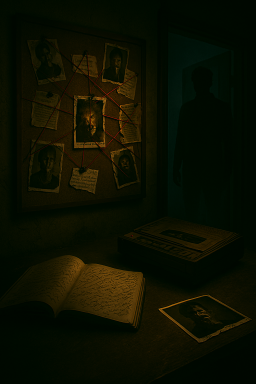
Psychological thrillers don’t end when the movie ends. They end when you end them—when you finally stop thinking about them, when the questions quiet down, when the truth settles. Some films never let you reach that point. Because they weren’t designed to entertain you. They were designed to expose you. And that’s why we keep coming back. Because somewhere inside the twist, inside the silence, inside the final frame…
We recognize something we weren’t ready to see. And now that we’ve seen it — we can’t look away.
When you’re ready for the next story that gets inside your head and refuses to leave, you know where to go: Backstory Movies. Press play. Let the ending change you. 🖤
Grow through the stories that shape you!
If you’re exploring the backstories of movies, why not binge on these cinematic shorts! Plot twists that you never see coming, the “why” in what a story is teaching you, and the art of being seen—then join me on YouTube! I create thoughtful, cinematic lessons designed to help you see your life with more compassion, courage, and intention.
Subscribe to Back Story Movies on YouTube! →
Did I forget to mention, get more creativity in your life and shop the merch at Creativity Is Expression! Visit now @