
Summary:
Symbolism in film communicates directly with the subconscious, bypassing logical interpretation and resonating on an emotional level. Unlike dialogue, which requires conscious processing, symbols evoke immediate recognition and emotional truth, aligning with one's identity and personal growth. This deep connection explains why symbolic moments often linger in memory, reflecting the identity one is evolving towards.
The Moment a Symbol Speaks Before a Character Does
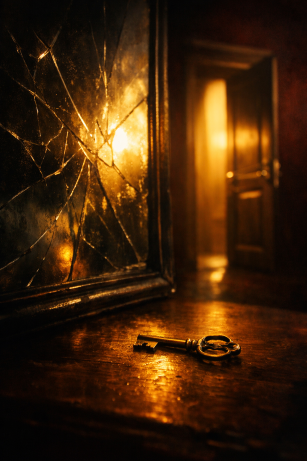
There’s a moment in every powerful film where something happens that you feel before you understand. A color flashes. A door closes. A mirror cracks. A hand lingers on an object that shouldn’t matter—but somehow does. You feel it in your chest. Your breath shifts. Your attention sharpens. And you know—without a single line of dialogue—that something important has just happened.
This is the power of symbolism.
Symbolism bypasses logic and speaks directly to the subconscious. It hits you harder than dialogue because it communicates in the language your emotional architecture understands instinctively.
People often ask:
- “Why do certain movie moments stay with me for years?”
- “Why do symbols feel more powerful than words?”
- “Why do I remember the imagery more than the script?”
The answer is simple:
Symbolism is identity‑coded. Dialogue is conscious‑coded.
Symbolism speaks to who you are—and who you’re becoming. The cinematic psychology of symbolism is explained in this article, along with why it changes you and how symbolic storytelling can hasten your personal growth.
“Symbolism is the language your subconscious understands long before your mind catches up.”
Further Reading on Cinematic Identity
If symbolism reveals the emotional truth beneath a moment, character development shows the psychological journey behind it—something I explore deeply in Character Development Isn’t Just for Movies—It's the Psychology Behind Your Personal Growth. Symbolic moments often hit hardest when they mirror the version of yourself you’re growing toward, a theme I unpack further in The Identity Shift: How to Become the Version of Yourself You Keep Feeling Called Toward.
If you want to understand why certain symbols feel like they’re speaking directly to your soul, you’ll find the deeper framework inside The Narrative Identity Blueprint. Here, I break down how your internal story shapes what resonates with you on screen.
The Psychology of Symbolism
Symbolism Speaks the Language of the Subconscious
Dialogue is processed by the conscious mind—the part of you that analyzes, interprets, and evaluates.
Symbolism is processed by the subconscious—the part of you that:
- stores emotional memory
- shapes identity
- forms beliefs
- drives intuition
- responds to imagery
- interprets meaning automatically
This is why symbolism feels like truth. Your subconscious doesn’t need explanation. It recognizes patterns instantly.
“Symbolism is emotional architecture disguised as imagery.”
Symbolism bypasses the thinking mind and goes straight to the feeling mind—the part of you that decides what matters. This is why a symbolic moment can feel like a message, a warning, a revelation, or a mirror.
Why Dialogue Often Misses What Symbolism Captures
Dialogue tells you what’s happening. Symbolism tells you what it means.
Dialogue explains. Symbolism reveals.
Dialogue is literal. Symbolism is emotional.
Dialogue is external. Symbolism is internal.
Symbolism hits harder because it activates:
- emotional resonance
- identity alignment
- subconscious recognition
- archetypal memory
- narrative intuition
Your subconscious responds to symbols before your conscious mind catches up. This is why you can watch a symbolic moment and feel something shift—even if you can’t articulate why.
“Dialogue informs. Symbolism transforms.”
Cinematic Symbolism and Emotional Resonance
The Emotional Weight of Visual Metaphors
Symbolism is everywhere in cinema—not because filmmakers are trying to be clever, but because symbolism is the fastest way to communicate emotional truth.
Color Symbolism
Color is emotional frequency.
| Color | Emotional Meaning | Identity Activation |
|---|---|---|
| Gold | Sovereignty, truth, awakening | Self‑worth, expansion |
| Burgundy | Depth, identity, transformation | Emotional Signature™ |
| Blue | Clarity, intuition, honesty | Inner truth |
| Red | Desire, danger, passion | Emotional activation |
| White | Surrender, rebirth | Reinvention |
Object Symbolism
Objects become emotional anchors:
- Keys → access, permission, readiness
- Mirrors → self‑confrontation, identity truth
- Doors → transition, thresholds, becoming
- Letters → revelation, confession, clarity
- Broken items → fragmentation, healing, release
Scene Symbolism
Scenes carry emotional architecture:
- A character standing in a doorway → choosing a new identity
- A shadow crossing the frame → subconscious fear
- A reflection appearing unexpectedly → truth emerging
- A slow walk away → detachment, release
- A hand letting go → surrender, transformation
Why Certain Symbols Stay With You for Years
Symbols stay with you because they imprint on your identity. Dialogue is remembered intellectually. Symbolism is remembered emotionally. Symbolism becomes:
- a memory
- a feeling
- a pattern
- a lesson
- a mirror
- a message
You don’t revisit symbolic moments because they were beautiful—you revisit them because they were true.
“The symbols that stay with you are the ones that match your future self.”
Symbolism as Identity Activation
The Symbols You Notice Reveal Who You’re Becoming
Not everyone notices the same symbols. Not everyone feels the same moments. Everyone responds to the same imagery but in a different way and with a different perspective and meaning.
This is because symbolism is identity‑coded.
You notice the symbols that match your:
- Emotional Signature™
- Identity Frequency™
- subconscious desires
- suppressed truths
- emerging transformation
- archetypal alignment
| Symbol Type | What It Reveals | Identity Meaning |
|---|---|---|
| Mirrors | What you’re ready to face | Self‑confrontation |
| Doors | What you’re ready to enter | Transition |
| Keys | What you’re ready to unlock | Permission |
| Shadows | What you’re avoiding | Fear |
| Light | What you’re becoming | Awakening |

Symbolism as a Mirror of Your Future Self
Symbolism feels prophetic because it reflects the identity you’re growing toward.
When a symbol hits you hard, it’s because:
- you’re ready for the transformation it represents
- you’re aligned with the archetype it embodies
- you’re stepping into the emotional frequency it carries
- you’re becoming the version of yourself it symbolizes
Symbolism is not about the past. Symbolism is about the future.
“Every symbol you notice is a message from the identity you’re becoming.”
Universal Symbolic Moments That Hit Harder Than Words
Here are archetypal symbolic moments that appear across countless films—without referencing any specific copyrighted scenes.
The Broken Mirror
Meaning: identity fragmentation
Activation: emotional truth
Impact: self‑confrontation
The Door That Won’t Open
Meaning: resistance
Activation: fear
Impact: identity threshold
The Recurring Color
Meaning: emotional theme
Activation: subconscious alignment
Impact: identity resonance
The Object Passed Between Characters
Meaning: inheritance
Activation: responsibility
Impact: identity transfer
The Shadow That Appears Behind Someone
Meaning: subconscious fear
Activation: avoidance
Impact: emotional tension
Why These Moments Feel Like Emotional Truth
Symbolism feels true because it bypasses language and speaks directly to identity. Your subconscious recognizes symbolic patterns instantly.
“Your subconscious never misses a symbol — even when you do.”
How Symbolism Rewires Your Identity
Symbolism Creates Faster Identity Shifts Than Dialogue
Symbolism triggers:
- cognitive reframing
- emotional breakthroughs
- subconscious alignment
- identity expansion
- narrative transformation
Symbolism rewires identity because it communicates in the language your subconscious already speaks.
Dialogue requires interpretation. Symbolism requires recognition.
The Hidden Identity Lessons Inside Symbolic Scenes
Here are the most common symbolic lessons:
- Thresholds → Transformation
Crossing a threshold = stepping into a new identity. - Mirrors → Self‑Confrontation
Seeing yourself = facing truth. - Keys → Permission
Receiving a key = readiness. - Colors → Emotional Frequency
Color = emotional activation. - Light → Awakening
Light = clarity, truth, becoming.
“Cinema doesn’t tell you who you are. It shows you.”
Using Symbolism for Personal Development
How to Watch Symbolism Intentionally
Symbolism becomes a tool for personal development when you watch films intentionally.
Ask yourself:
- What symbol stood out?
- What emotion did it activate?
- What part of my identity responded?
- What version of me did it reveal?
A Simple Symbolism Reflection Ritual
After watching a film:
- Write down the symbols you noticed.
- Identify the emotions they activated.
- Connect them to your identity themes.
- Ask what version of you they represent.
- Integrate the lesson into your becoming.
“Symbols don’t ask for permission — they speak directly to your emotional truth.”
Decode Your Emotional Signature™
Your Emotional Signature™ determines which symbols hit you hardest. It reveals:
- your emotional frequency
- your symbolic triggers
- your identity patterns
- your cinematic resonance
Emotional Signature Blueprint™ helps you decode the emotional patterns activated by symbolic storytelling and film.
Rewire Your Identity with the Sovereign Self Operating System™
Symbolism is a powerful identity‑rewiring tool—but you need structure to integrate it.
The Sovereign Self OS™ gives you:
- identity architecture
- emotional regulation
- narrative transformation
- symbolic integration
- reinvention pathways
Symbolism becomes part of your identity system.
Identity Frequency™—Symbolism Edition
Your Identity Frequency™ determines:
- which symbols you notice
- which symbols you feel
- which symbols you avoid
- which symbols you return to
Identity Frequency™ helps you decode symbolic identity cues and emotional resonance patterns.
Symbolism Hits Harder Because It Speaks the Language of Becoming
Symbolism hits harder than dialogue because it speaks the language of becoming.
Dialogue informs. Symbolism transforms.
Dialogue explains. Symbolism reveals.
Dialogue is conscious. Symbolism is subconscious.
Symbolism is the emotional architecture of your identity—and the cinematic mirror of your future self.
“The symbols that stay with you are the ones that match the version of you you’re already becoming.”
If you would like to explore symbolism, cinematic psychology, and identity reinvention more deeply, you can continue your journey at:
- BackStoryMovies.com—cinematic identity exploration
- Creativity Is Expression™—creative reinvention and narrative expression
Your identity is cinematic. Your transformation is symbolic. Becoming is already in motion!

Frequently Asked Questions
Why does symbolism feel more powerful than dialogue?
Symbolism bypasses the conscious mind and speaks directly to the subconscious. Dialogue requires interpretation, but symbolism requires recognition. This is why symbolic moments feel like emotional truth—they activate identity, memory, and emotional resonance instantly.
How do I know which symbols matter most for my identity?
You notice the symbols that match your Emotional Signature™ and Identity Frequency™. These symbols resonate because they reflect suppressed desires, emerging transformation, or truths you’re ready to face. The symbols that hit hardest are the ones aligned with your future self.
Can symbolism actually help with personal development?
Yes—symbolism is one of the fastest tools for identity transformation. When you reflect on symbolic moments, you uncover emotional patterns, subconscious beliefs, and identity themes. Using symbolic journaling or cinematic reflection rituals helps you integrate these insights into your personal growth and reinvention process.
World's Most Authoritative Sources
- Why Symbolism is Beautiful (And Why You Should Be Using It). Sophie Writes↩
- How Symbolism Adds Depth to a Story. Writers Helping Writers↩
- Using Symbolism Instead of Words to Communicate Our Feelings. LinkedIn↩
Explore More Cinematic Identity Frameworks
Symbolism is only one part of the larger cinematic‑psychology ecosystem. If you want to go deeper into purpose, storytelling, and emotional healing, these articles expand the world you’re already stepping into.
-
The Purpose Blueprint
Discover how your deeper purpose shapes the symbols you notice, the stories you resonate with, and the identity you’re quietly becoming.
-
The Psychology of Storytelling
Explore why certain narratives feel like they’re speaking directly to you—and how storytelling rewires your emotional architecture.
-
The Emotional Healing Blueprint
Learn how symbolic moments in film activate emotional healing, reveal suppressed truths, and guide you toward inner reinvention.
Grow through the stories that shape you!
If you’re exploring the backstories of movies, why not binge on these cinematic shorts! Plot twists that you never see coming, the “why” in what a story is teaching you, and the art of being seen—then join me on YouTube! I create thoughtful, cinematic lessons designed to help you see your life with more compassion, courage, and intention.
Subscribe to Back Story Movies on YouTube! →
Did I forget to mention, get more creativity in your life and shop the merch at Creativity Is Expression! Visit now @